
Strength Training for Beginners on the Upper West Side
You've been thinking about starting. Maybe for weeks, maybe for years. The thing stopping you isn't laziness. It's not knowing where to begin, what to do when you get there, or whether you'll look ridiculous doing it. Beginner personal training on the Upper West Side is built for people who are new to strength training. One session, no experience needed, and a trainer who builds your program around where you actually are.
Why Starting Feels So Hard

Gym anxiety (or "gymtimidation," as it's become known) is real, and it's more common than most people admit. A survey of 2,000 Americans found that roughly half feel too intimidated to work out around other people. The free weights section feels like someone else's territory. The machines have no obvious instructions. Everyone around you seems to already know what they're doing. So you stick with the treadmill, or you don't go at all.
The problem isn't motivation. It's that most gyms aren't built for someone who's starting from zero. Open floor plans with no guidance, classes that assume baseline fitness, trainers who hand you a program on a clipboard and walk away. That model works fine if you already know how to train. If you don't, it's a recipe for frustration, bad form, or quitting within a month.
Starting strength training doesn't require a background in fitness. It requires a place that's designed to teach you, not just let you in.
How Momentum Trains Beginners
At Momentum, beginner training isn't a watered-down version of what experienced clients do. It's a structured progression that builds your movement quality, your confidence, and your strength in that order.
Technique before intensity. Every new client starts with a movement assessment so your trainer can see how your body moves before adding any load. The approach is "progress over punishment": meticulous form feedback, strategic intensity building, and the patience to let competence develop before pushing for more. Jessy Mena (NASM-CPT, PPSC, FMS) brings a holistic perspective to that work. With a background as a professionally trained dancer, she's spent her career honing the kind of detailed movement awareness that beginners benefit from most, and she frames training around the broader goals (confidence, mental health, well-being) that bring most clients in the door in the first place. Sessions are designed to build you up, not break you down. At Momentum, you learn proper form on foundational movements (squats, hinges, presses, pulls) before weight goes on the bar.
Progressive programming that grows with you.
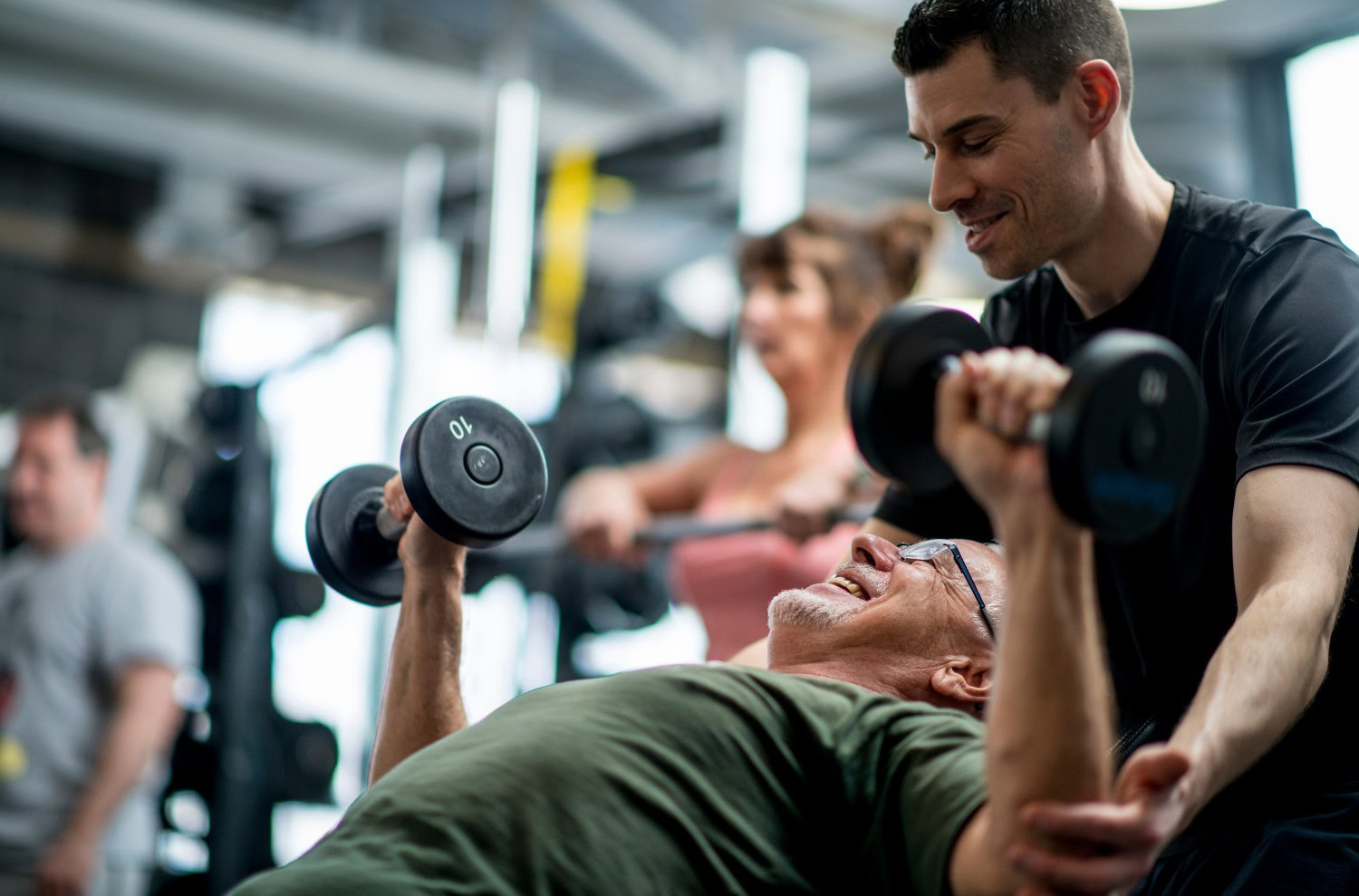
Your first month doesn't look like your third month. Early sessions focus on movement basics, building the habit, and getting comfortable in the space. As your form solidifies and your confidence grows, your trainer layers in more complexity: kettlebells, barbell work, bodyweight progressions, or whatever fits your goals. Isabella Stansbury meets clients exactly where they are, with a calm, planned-yet-adaptable approach that explains the "why" behind every movement. She makes a point of highlighting the progress beginners overlook, especially women lifting for the first time, because competence built step by step is what makes confidence stick. Beginners get measurably stronger within the first few weeks of training as the nervous system learns to recruit muscle more efficiently, well before any visible muscle growth occurs. That early progress is real, and your trainer is tracking it even when you can't see it in the mirror. Safe, effective programming means you build strength without the setbacks that come from doing too much too soon.
A gym that doesn't feel like a gym. Momentum is an 8,000 square foot training facility on Columbus Avenue, not a sprawling fitness floor where you're on your own. Personal training sessions are one-on-one. Group classes are capped at 8 to 10 people. Your trainer knows your name, your history, and what you worked on last session. There are no crowds, no pressure to perform, and no expectation that you should already know what you're doing.
Who This Is For
You've never set foot in a gym and the idea of walking into one makes your stomach tighten. You don't know a deadlift from a bench press and you're convinced everyone will notice. That feeling is exactly what your first session is designed to dissolve.
You used to be active (maybe in college, maybe before your kids were born) and the gap between where you were and where you are now feels impossible to bridge. It's not. But you need a program that starts where you actually are, not where you used to be.
You think you're too out of shape to start, too old to start, or too far behind to catch up. You're none of those things. But you need someone who meets you where you are instead of where they think you should be.
Your First Session and Beyond
Your first session is a complimentary consultation and guided workout. Your trainer asks about your goals, your history (including injuries or limitations), and what's kept you from training before. Then they walk you through a series of basic movements to assess how your body moves naturally.
That assessment isn't a test. There's no passing or failing. It gives your trainer the information they need to build a program that starts exactly where you are. If your hip mobility limits your squat depth, that's where you start. If you've never held a weight before, your trainer demonstrates every exercise and stays with you through every rep.
Training can happen at the facility or in your home if that's where you're more comfortable. There are no membership fees, no long-term contracts, and no pressure to commit to a set schedule. Buy a personal training package, use it at your own pace, and share sessions with a friend or family member if you want. Packages don't expire. Consistency matters more than intensity when you're starting out, and flexible scheduling makes it easier to stay on track.
Beginner-Friendly Group Fitness Classes
If one-on-one training isn't your style (or if you want to supplement personal training sessions), Momentum's group fitness classes are beginner-accessible. Strength and conditioning classes cover kettlebell fundamentals, bodyweight progressions, and functional movements at whatever level is right for you. All classes are capped at 8 to 10 people, so your instructor has eyes on your form the entire time.
No membership required. Buy a class pack and use it for any class on the schedule.
Frequently Asked Questions
What should I expect at my first personal training session?
Not a full workout. Your first session is a conversation, a movement assessment, and an introduction to a few foundational exercises. Your trainer is learning how you move, not testing how hard you can go. Most beginners are surprised by how low-key it is. The real training starts in session two, built on what your trainer learned in session one.
How often should beginners work out?
Two to three sessions per week is the standard recommendation for building strength as a beginner. That gives your muscles time to recover between sessions while building a sustainable fitness routine. Your trainer will help you find a frequency that fits your schedule and your life.
How long before I see results?
Sooner than you think. Most beginners notice they feel stronger and more confident within the first few weeks. Visible changes (muscle definition, posture improvements, body composition shifts) typically follow within two to three months of consistent training. Your trainer tracks your progress through assessments and programming adjustments, so the results are measured, not guessed.
Is personal training worth it for beginners?
This is where it matters most. A beginner training alone has to figure out which exercises to do, how to do them safely, how much weight to use, and how to progress over time. A personal trainer handles all of that from day one. You learn proper form, avoid the habits that lead to injury, and follow a program that's actually designed to get you stronger. Clients who train with supervision consistently stick with it longer than those who try to figure it out alone.
Should I do cardio or weights first?
Strength training first, cardio second. When your muscles are fresh, you can focus on form and move heavier loads safely. If you fatigue yourself with 30 minutes on the treadmill first, your technique suffers and your strength session is less effective. That said, your trainer will structure your sessions so the warmup prepares you for the work ahead, and conditioning is built into the programming where it belongs.
What does beginner progression actually look like?
The first month is about learning movement patterns, building the habit of showing up, and getting comfortable with basic exercises. By month two or three, your trainer starts adding load, complexity, and variety: kettlebells, barbell movements, or bodyweight progressions depending on your goals. By month six, most clients are training with confidence, handling weights they wouldn't have touched on day one, and following a program that looks nothing like where they started. The pace is yours, but the structure is deliberate.
How much does personal training cost?
Pricing depends on the type of training (one-on-one, semi-private, or group classes) and the package size. Rather than listing rates here, the best first step is booking a complimentary session. That session is free, gives you a real sense of what training at Momentum feels like, and your trainer can walk you through package options in person. There are no membership fees, no contracts, and packages don't expire.
Will I be sore after my first session?
Possibly, but your trainer isn't trying to destroy you. Some mild soreness in the days after your first session is normal (it's called DOMS, delayed onset muscle soreness). It's a sign your muscles did something new, not a sign you overdid it. A good trainer manages your intensity so you're challenged without being wrecked. If you can barely walk the next day, the session was programmed wrong.