
Fitness After 50: Strength Training for Older Adults on the Upper West Side
You're not looking for a gym. You're looking for a personal trainer who understands that your body at 55 or 65 doesn't work the way it did at 30, and who knows how to make it stronger anyway. Strength training for older adults on the Upper West Side starts with personal training built around your body, your conditions, and what you want to be able to do ten years from now.
What's at Stake After 50: Muscle Loss, Bone Density, and Independence
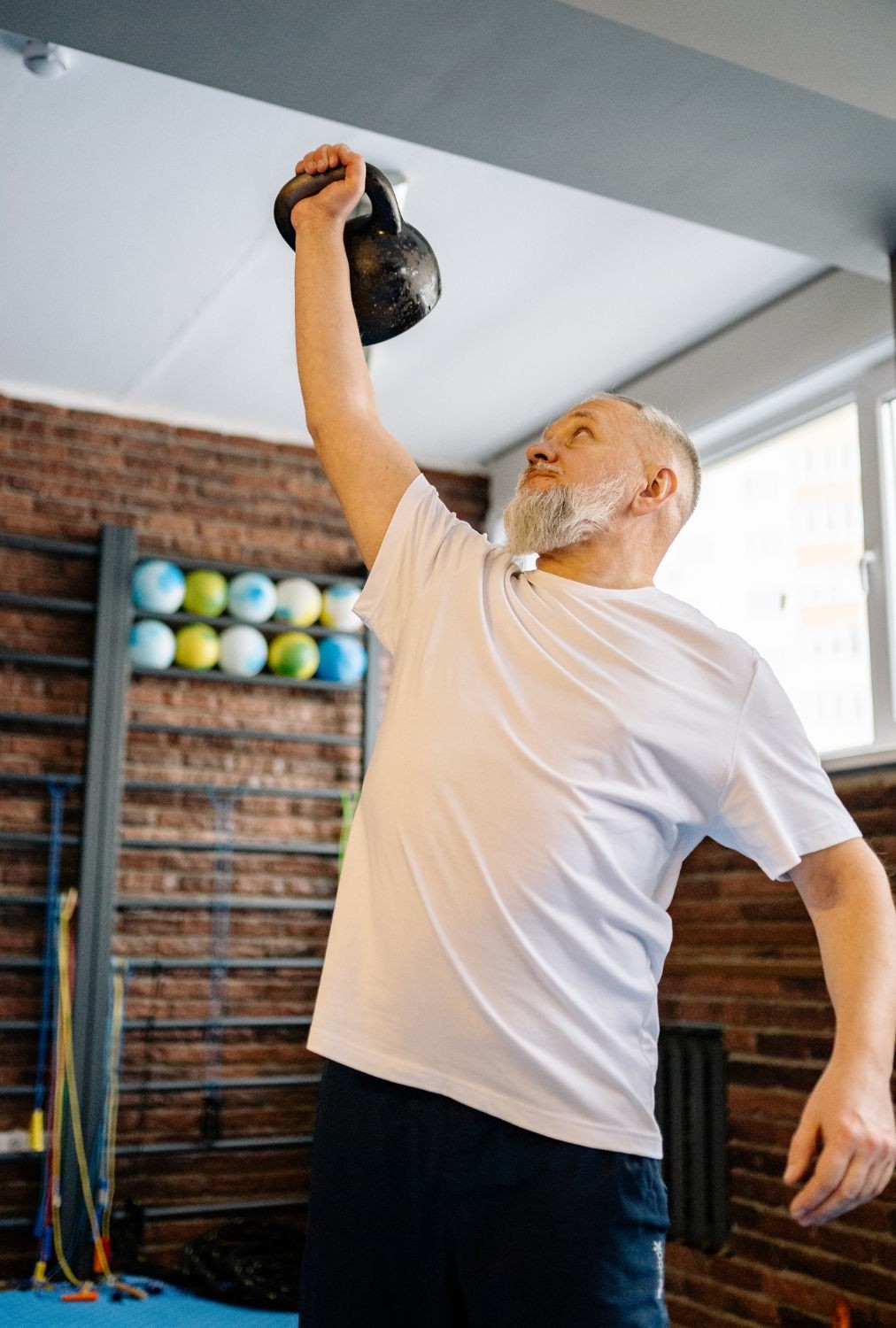
The conversation about fitness after 50 usually starts with what you've lost. Muscle mass declines roughly 3 to 8 percent per decade after age 30, a process called sarcopenia, and it accelerates after 50. Bone density drops. Balance deteriorates. The things you used to do without thinking (getting off the floor, carrying luggage, climbing stairs confidently) start requiring effort or avoidance. The daily activities you've always taken for granted start requiring help. A 2022 systematic review and meta-analysis found that resistance training had a significant positive effect on bone mineral density at both the hip and spine in older adults. The research is clear: strength training can slow and in many cases partially reverse these declines.
But the real fear isn't medical. It's functional independence. It's not wanting to be the person who can't keep up with your grandchildren, can't travel without worrying about mobility, or can't carry your own groceries. It's the quiet worry about becoming a burden. That fear is valid, and it's the reason strength training after 50 isn't optional. It's one of the most effective things you can do for your longevity and quality of life as you age.
The CDC recommends that adults over 65 perform muscle-strengthening activities involving all major muscle groups on two or more days per week, plus balance training and 150 minutes of moderate-intensity aerobic activity. Most people aren't doing any of it. Not because they don't want to, but because nobody has shown them how to do it safely with their specific conditions in mind.
How Momentum Trains Clients Over 50
Strength training that respects your joints. Every program starts with an assessment of how you move right now. If you have arthritis, a joint replacement, or chronic conditions like coronary heart disease, high blood pressure, or diabetes, your trainer builds around those realities rather than ignoring them. For older adults returning to fitness after a long gap, the approach is "progress over punishment": patient, strategic intensity, and programming that starts from where each client actually is rather than a template. Joint-friendly and low-impact doesn't mean easy. It means intelligent. Modified exercises, tailored progressions, and loading that strengthens without aggravating.
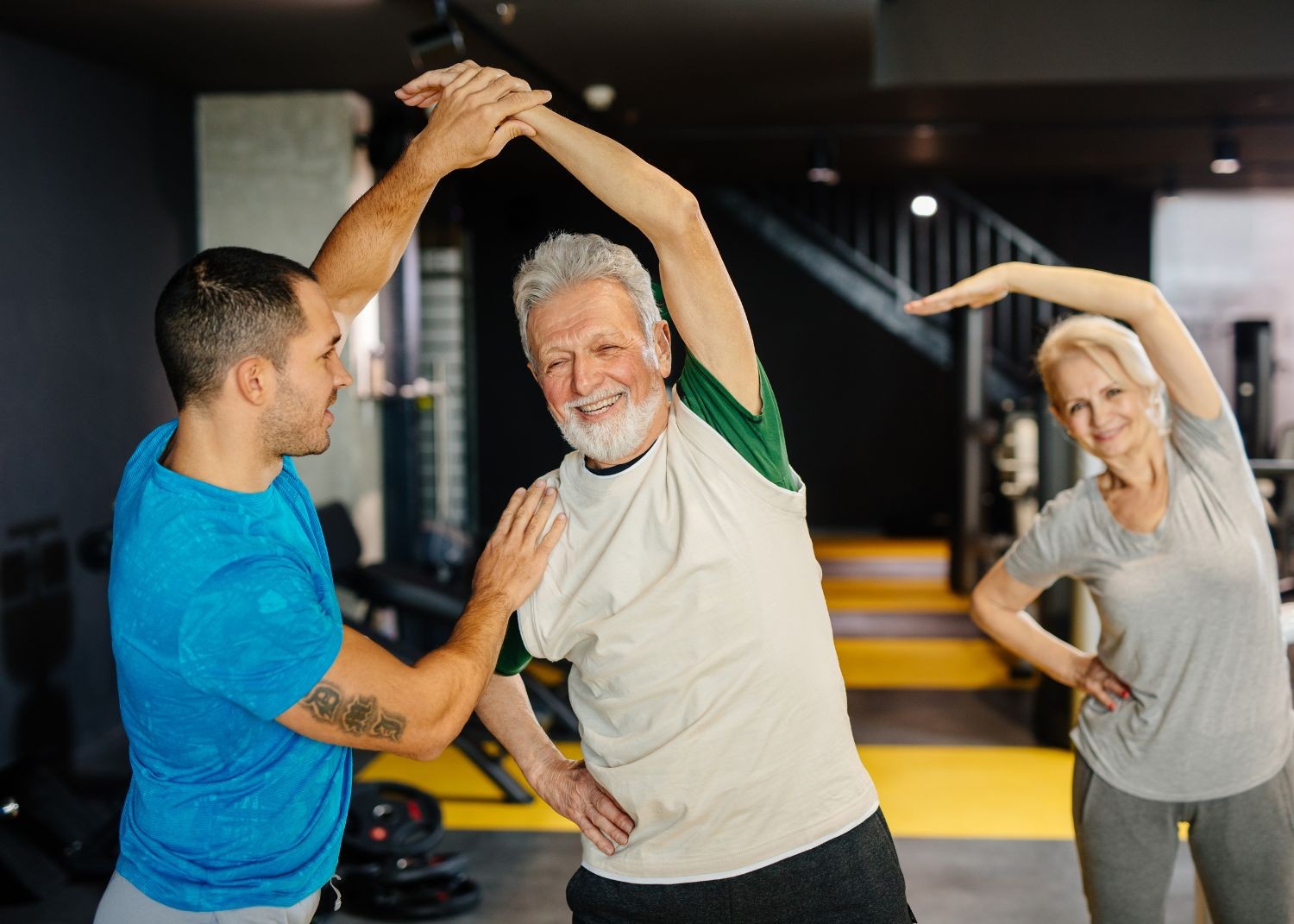
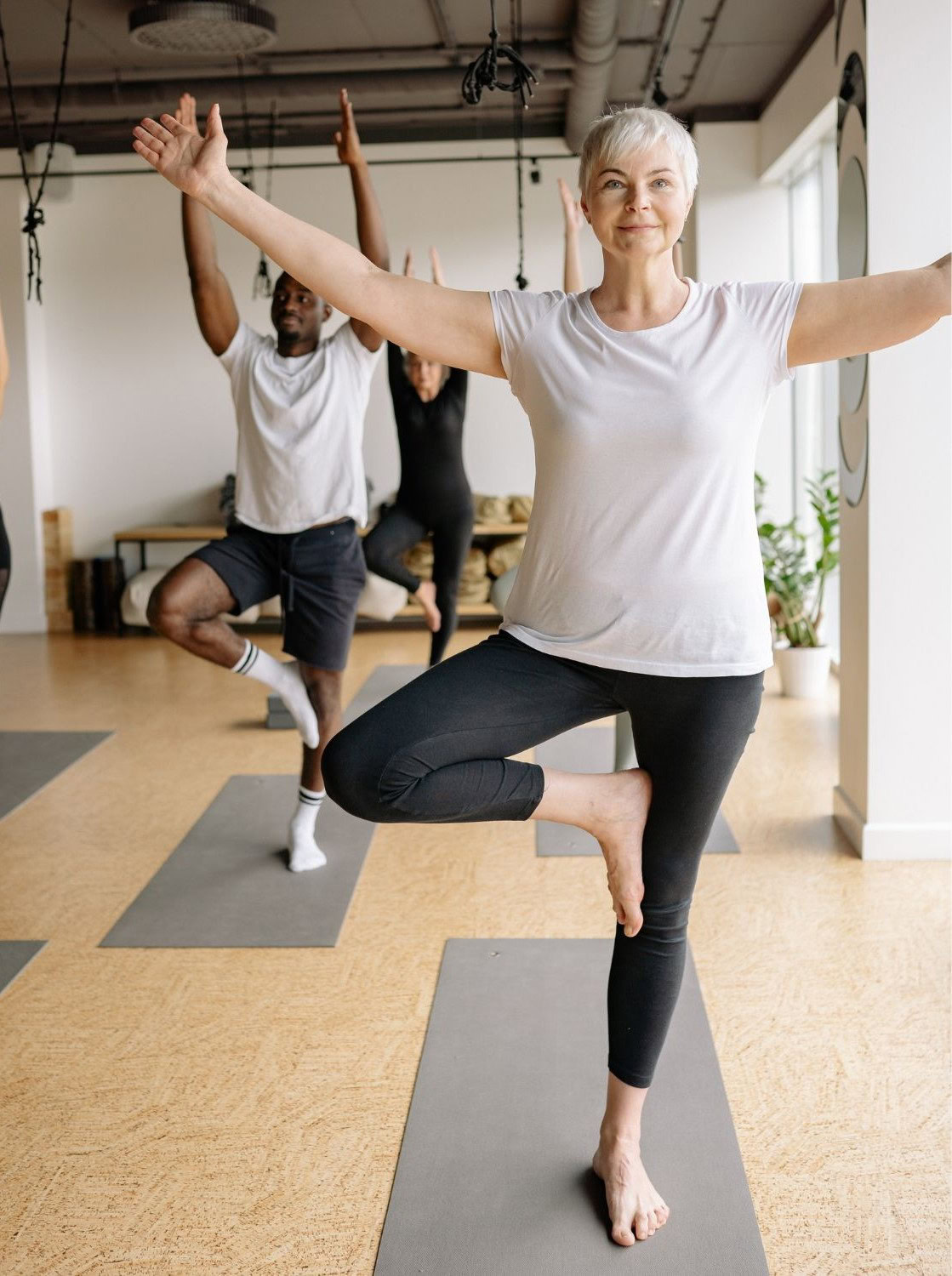
Balance and fall prevention. Falls are the leading cause of injury among adults over 65, and the research shows that resistance training combined with balance work significantly reduces that risk. A position statement on exercise guidelines for osteoporosis management and fall prevention recommends resistance exercise at moderate to high intensity two to three days per week alongside specific balance activities. At Momentum, balance training is woven into programming rather than treated as a separate category. Your trainer incorporates stability challenges into strength movements so you're building coordination and confidence at the same time. Mobility and movement training is one of the methods your trainer may draw from, especially for clients working on balance, flexibility, and body control.
Progressive loading for real results. The idea that older adults should only do light exercises with resistance bands is outdated. Research consistently shows that progressive resistance training produces meaningful gains in muscle mass and strength in adults over 50. The key is gradual progression: starting at the right intensity and increasing under supervision. For clients managing osteoporosis, arthritis, or other age-related conditions, progressive loading is especially important because it builds the bone density and joint stability that protect against fractures and falls. The framing that lands with most older clients: training as injury prevention for your future self, not just exercise for today. Isabella Stansbury takes a long-view approach, programming for resilience and training with your "future self" in mind through a combination of Pilates, progressive strength work, and NASM-CES trainer-led corrective programming.
Cognitive and emotional benefits. Strength training after 50 isn't just about the body. It's one of the most evidence-backed tools for healthy aging. Regular exercise is associated with improved cognitive function, better mood, and reduced risk of cognitive decline, including Alzheimer's disease. Clients consistently report that the mental benefits (sharper thinking, better sleep, more energy, a sense of accomplishment) are what keep them training long after the initial physical goals are met.
Who This Is For
You're over 50, you haven't exercised regularly in years, and you're not sure where to start. Maybe your doctor told you to "get more active" but didn't tell you how, especially with the arthritis or the bad knee or the shoulder that never fully healed.
You're active but you've noticed the decline. Things that were easy five years ago take more effort now. You want to stay ahead of it rather than wait until something breaks.
You have a chronic condition (osteoporosis, arthritis, diabetes, high blood pressure) and you've been told exercise would help, but you're worried about doing something that makes it worse. You need a trainer who understands your medical picture, not just your fitness goals.
What Getting Started Looks Like
Your first session is a complimentary consultation. Your trainer reviews your health history, any medical conditions, medications that affect exercise (like beta-blockers or blood thinners), and what your doctor has recommended or restricted. From there, they assess your movement: range of motion, balance, strength baseline, and how you handle basic functional patterns like squatting, reaching, and stepping.
That assessment shapes everything that follows. For clients over 50, it also identifies where fall prevention, joint protection, or condition-specific modifications need to be built into the program from day one.
Training happens at Momentum's facility on Columbus Avenue (one block from the 72nd Street subway station) or in your home if getting to the gym isn't practical. There are no membership fees or contracts. Buy a personal training package and train at whatever frequency your body and schedule allow. Most clients over 50 train two to three days per week. Packages don't expire and are shareable with a spouse or friend.
Group Classes That Support Fitness After 50
Momentum's strength and conditioning classes build functional capacity in a supervised group setting, capped at 8 to 10 people so your instructor can see your form, offer modifications, and adjust for your needs. If you'd rather build mobility, breathwork, and flexibility one-on-one at accessible pacing, private yoga training is built around exactly that.
No membership required. Buy a class pack and use it for any class on the schedule.
Frequently Asked Questions
Is it too late to start exercising at 50 or 60?
No. Research consistently shows that adults can build meaningful muscle mass and strength at any age with proper progressive resistance training. The gains are real and measurable. What matters is starting with a program designed for your body right now, not a generic routine pulled from the internet. A trainer who understands how to work with age-related changes, chronic conditions, and joint limitations makes the difference between results and frustration.
Can you still build muscle after 50?
Yes. Muscle responds to resistance training at every age. The rate of gain may differ from what a 25-year-old experiences, but the adaptations (increased strength, improved muscle mass, better functional capacity) are well-documented in adults through their 70s and beyond. The key is progressive loading with proper supervision, not "light exercise."
Is strength training safe for seniors?
When programmed correctly and supervised by a qualified trainer, strength training is one of the safest and most beneficial forms of exercise for older adults. Your trainer adjusts intensity, selects exercises appropriate for your joints and conditions, and monitors your form throughout every session. If you have specific medical concerns, your trainer works within the guidelines your doctor has set.
Can exercise help with arthritis?
Strength training is one of the most effective non-pharmaceutical interventions for arthritis. It strengthens the muscles surrounding affected joints, reduces stiffness, and improves functional capacity. The key is appropriate exercise selection: your trainer chooses movements that load the joint safely while avoiding positions that aggravate symptoms. Many clients with arthritis report less pain and better mobility after consistent training.
How do I prevent falls as I get older?
Strength training combined with balance work. Research-backed fall prevention guidelines recommend resistance training at moderate to high intensity two to three days per week alongside specific balance activities. At Momentum, balance challenges are integrated into strength sessions rather than treated as a separate program. Your trainer builds stability into every workout so it becomes part of how you move, not an afterthought.
Is walking enough exercise for someone over 50?
Walking is excellent for cardiovascular health, but it doesn't build the muscle mass, bone density, or balance capacity that strength training provides. The CDC recommends that older adults do both: 150 minutes of moderate aerobic activity per week (walking counts) plus muscle-strengthening activities on two or more days per week. Walking and strength training complement each other. One doesn't replace the other.
How often should seniors exercise?
Most Momentum clients over 50 train two to three days per week for strength and add walking, mobility work, or other movement on the other days. That lines up with the CDC's guidance of aerobic activity plus muscle-strengthening and balance work each week. Your trainer helps you build a weekly schedule that fits your energy, your recovery capacity, and your goals.