
Pre and Postnatal Training on the Upper West Side
You're pregnant, or you just had a baby, and the advice you're getting ranges from "don't lift anything heavier than five pounds" to "just listen to your body." Neither is helpful. What you actually need is a prenatal personal trainer who understands how pregnancy changes the way you move, which exercises to modify and when, and how to rebuild your strength postpartum without rushing the process. That's what pre and postnatal personal training at Momentum Fitness is built for.
What Pre and Postnatal Training Is
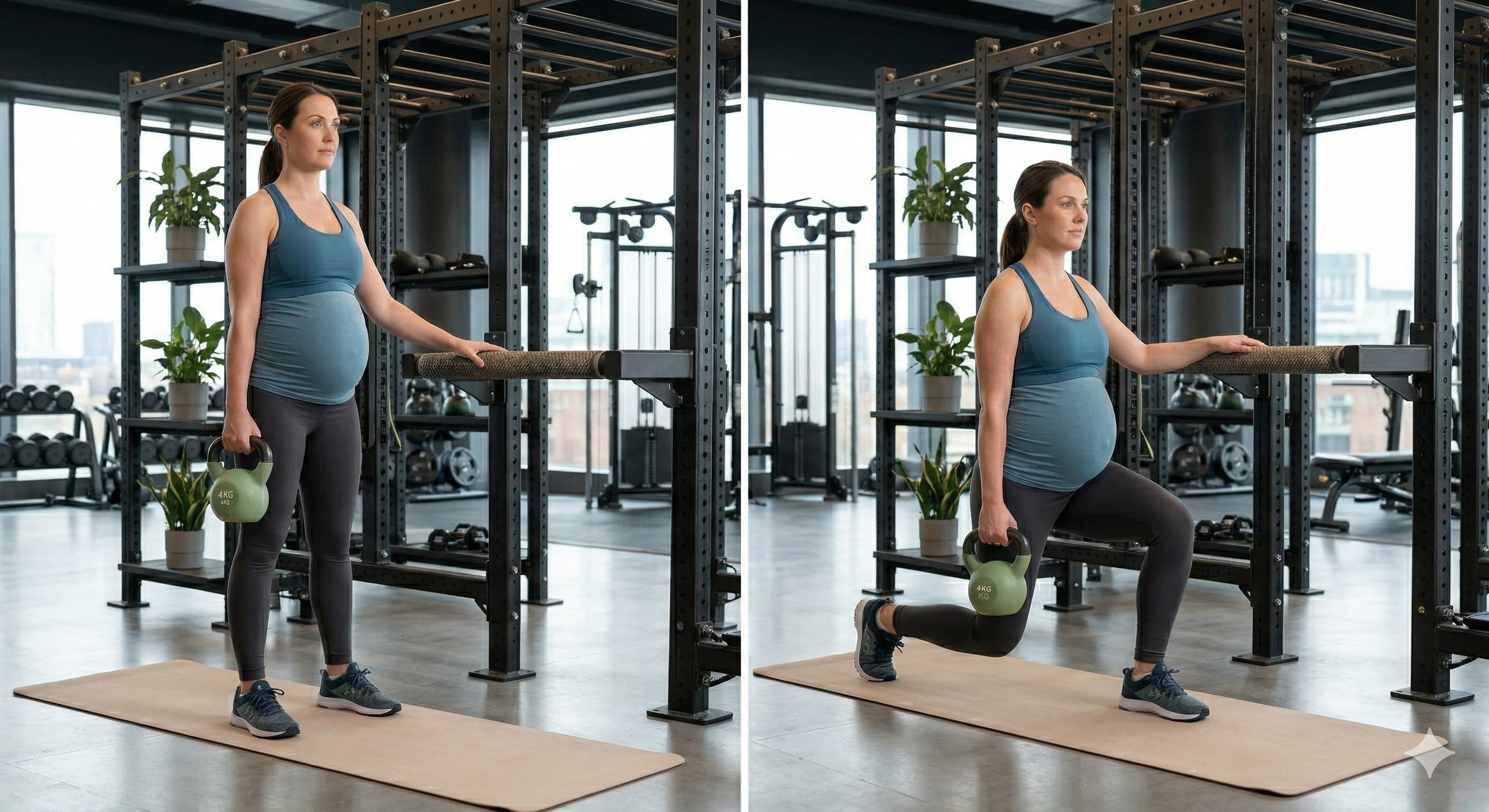
Prenatal fitness training is strength and conditioning programming designed around the physiological changes of pregnancy and the recovery demands of postpartum. It's not a watered-down version of regular training. It's a specialized approach that accounts for shifting joint stability, core function, pelvic floor load, and energy fluctuation across every stage.
During pregnancy, your body produces relaxin, a hormone that increases ligament laxity throughout your joints to prepare for delivery. That increased elasticity changes how your body handles load. Exercises that were fine six months ago may need modification, not because they're dangerous, but because your stability system is operating differently. A prenatal personal trainer adjusts your programming trimester by trimester so your programming stays aligned with what your body and your doctor's guidelines support.
The American College of Obstetricians and Gynecologists (ACOG) recommends at least 150 minutes of moderate-intensity exercise per week during pregnancy for those without medical complications. Their 2020 Committee Opinion confirms that exercise during pregnancy does not increase the risk of miscarriage, low birth weight, or early delivery. A 2023 systematic review and meta-analysis of 13 randomized controlled trials involving 3,728 women found no increased risk of miscarriage with exercise during pregnancy. For those cleared by their healthcare provider, the data is clear: staying active during pregnancy is not just safe, it's beneficial.
The postpartum side is equally specific. After delivery, your body needs to restore core function, rebuild pelvic floor strength, and regain stability before returning to higher-intensity training. Diastasis recti (separation of the abdominal muscles along the midline) affects up to two-thirds of postpartum women and requires targeted, progressive core work to resolve. Postpartum recovery training addresses these structural changes before layering strength back on top.
Who It's Best For
You're in your first trimester and the nausea is relentless. The last thing you feel like doing is working out, but you know you'll feel better if you move. Research confirms that fatigue and nausea are the number one barrier to first-trimester exercise. A prenatal trainer structures sessions around how you're actually feeling that day: shorter, lower intensity when the nausea is bad, more challenging when you have the energy for it.
You're in your second or third trimester and your regular workout doesn't fit anymore. Exercises you've done for years feel different. Your balance is shifting, your lower back aches, and you're not sure what's safe to keep doing. Trimester-specific exercise modifications keep you strong without pushing past what your changing body can support.
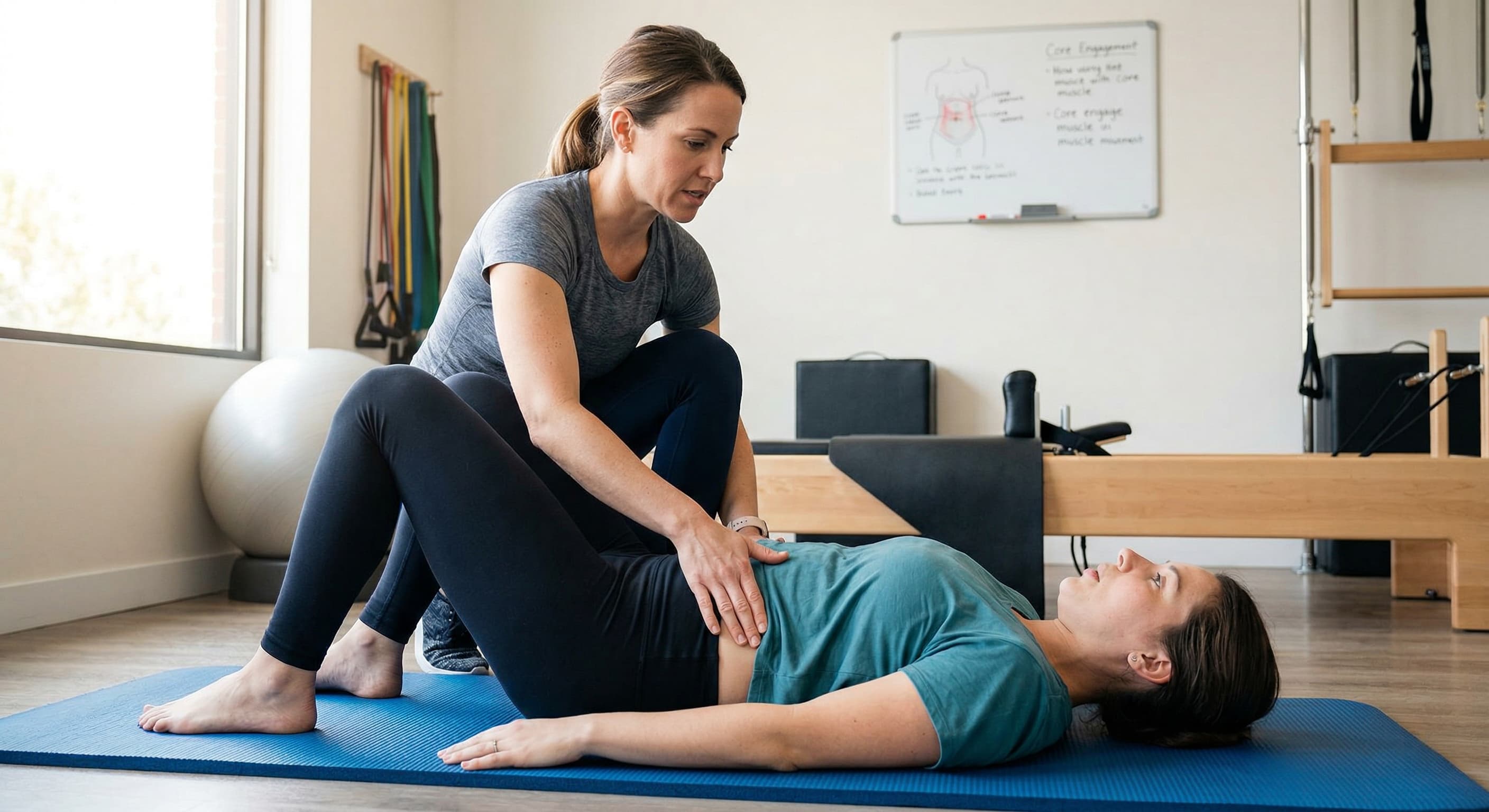
You just had your baby and you want to get back to training, but everything you read says something different about when and how. Your postpartum personal trainer assesses where your core and pelvic floor are right now and builds a return-to-exercise plan based on your actual recovery, not a generic timeline.
You had a C-section and you need a trainer who understands the difference between abdominal surgery recovery and standard postpartum recovery. The timeline, the restrictions, and the progression are all different. Your trainer programs around the surgical recovery while still making progress within the boundaries your doctor has set.
You were active before pregnancy and you want to return to kettlebells, running, or higher-intensity training postpartum. Getting back to those methods safely requires rebuilding from the core and pelvic floor outward. Your trainer builds a bridge between early postpartum recovery and the training you actually want to get back to.
What Results to Expect
Prenatal clients who train consistently through pregnancy typically report less back pain, better sleep, more energy, and greater confidence heading into labor, benefits that align with ACOG's documented outcomes for prenatal exercise. Research published by ACOG has linked regular prenatal exercise to reduced risk of gestational diabetes, preeclampsia, and cesarean delivery.
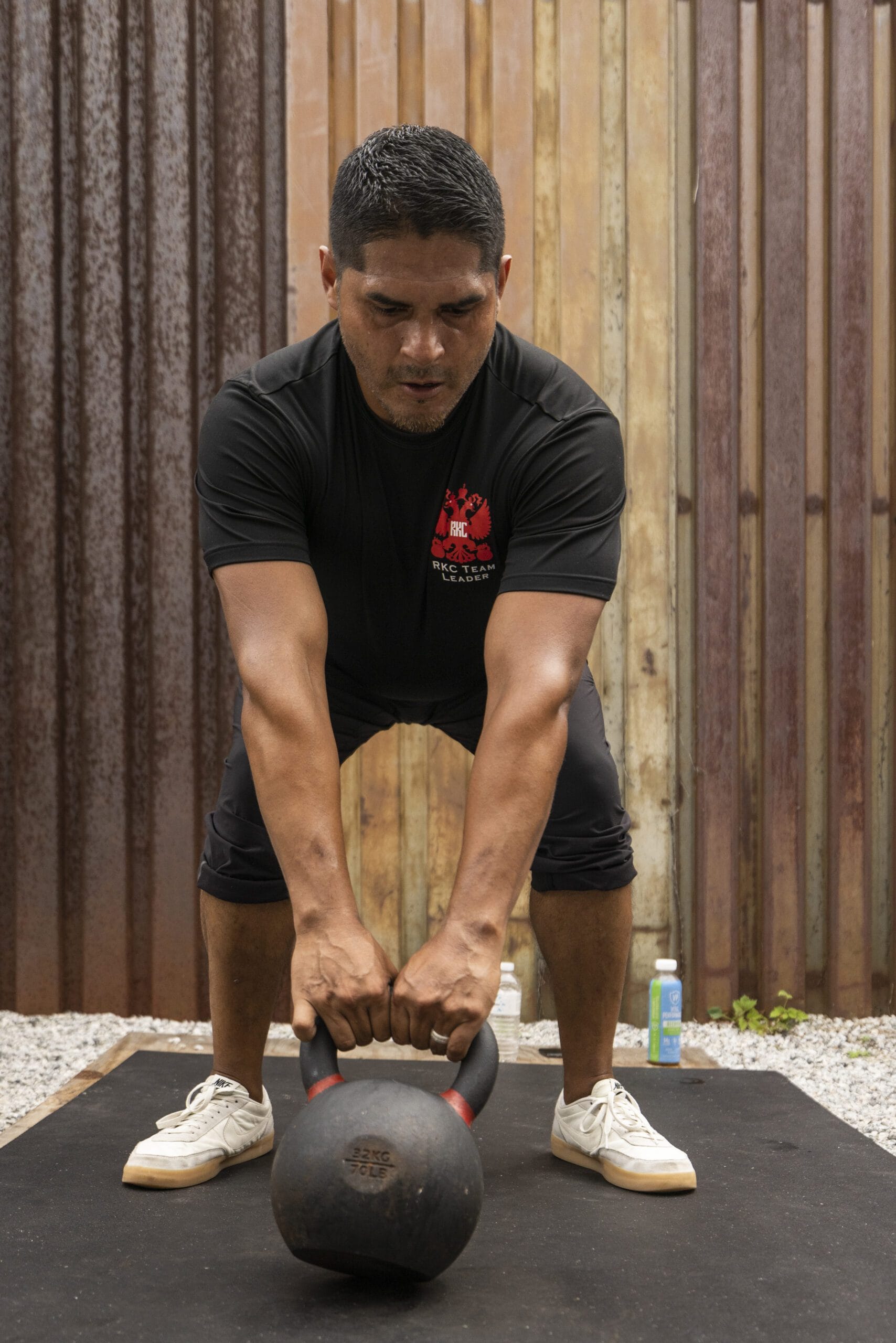
The labor preparation component matters more than most clients expect. Building endurance, hip mobility, and the ability to sustain effort over long periods can help with the physical demands of delivery. David Tepattaporn pairs his pre/postnatal certification with an RKC kettlebell background and NASM-CES, which means his prenatal programming builds real strength (not just "maintenance") through movements that are safe, progressive, and specifically modified for each trimester. That combination of strength credentials and prenatal specialization is why his clients report feeling physically prepared for labor, not just cleared for exercise.
Research also points to meaningful mental health benefits. According to ACOG, prenatal and postpartum exercise may be associated with reduced symptoms of depression and anxiety. For postpartum clients specifically, the combination of structured training and progressive physical recovery provides something that's hard to get anywhere else: a sense of returning to yourself, on a timeline that respects what your body just did.
Postpartum recovery is where credential depth matters most. Diastasis recti affects up to two-thirds of postpartum women, and pelvic floor dysfunction is equally common. Isabella Stansbury holds both ProNatal Fitness and the NASM-CES, so she programs corrective exercise specifically for the core and postural changes that pregnancy creates. Alana Johnson's ProNatal Fitness certification combined with her NASM Women's Fitness Specialist credential means her postpartum programming addresses pelvic floor recovery as a structured progression, not a set of generic exercises pulled from a handout. Clients working with these trainers often see improvement in core function within the first several weeks of targeted work, though results vary.
From there, the path back to full-intensity training depends on the individual. Many clients return to their pre-pregnancy training methods within three to six months with proper progression, though individual timelines vary based on delivery, recovery, and other factors.
How Momentum Delivers Pre and Postnatal Training
Personal training for pre and postnatal clients is one-on-one because the programming has to be. Your trimester, your symptoms, your training history, and your recovery all dictate what belongs in your session on any given day. A first-trimester session for a client managing nausea looks completely different from a third-trimester session focused on hip mobility and labor preparation, which looks completely different from a postpartum session rebuilding core activation patterns. Your trainer adjusts in real time.
The pre and postnatal expertise at Momentum runs deeper than a single specialist. Isabella Stansbury holds both the ProNatal Fitness certification and the NASM-CES, which means she programs corrective exercise specifically for the postural and core changes that pregnancy creates. David Tepattaporn carries a dedicated pre/postnatal certification alongside his RKC and NASM-CES, bringing a kettlebell and corrective exercise background to prenatal strength work. Alana Johnson (ProNatal Fitness, NASM-WFS) focuses on women's fitness with a pelvic floor emphasis, and Sarah Humphrey is a National Board Certified Health and Hormone Specialist whose programming accounts for the hormonal shifts that affect energy, recovery, and training capacity throughout pregnancy and postpartum. Marco Guanilo also holds pre/postnatal certification, and Jen Ares-Cruz brings an RKC II and comprehensive Pilates background to her prenatal and postpartum clients. Momentum also hosts the Pre and Postnatal Fitness Specialty Certification on-site multiple times a year, taught by Annette Lang, who has been leading this certification for over 14 years. When your trainer modifies an exercise or adjusts your program mid-session, they're drawing on credentials specifically built for this work, many of them earned in the same gym where you'll be training.
No membership required. Buy a personal training package, train at whatever frequency works for your schedule and energy level, and share unused sessions with your partner or a friend. Packages don't expire, which matters when your schedule is about to become unpredictable.
Your Pre and Postnatal Trainers





Frequently Asked Questions
Is it safe to start exercising during pregnancy if I wasn't active before?
Yes. ACOG recommends that pregnant individuals without medical complications get at least 150 minutes of moderate-intensity exercise per week, including those who were not active before pregnancy. The key is starting with appropriate intensity and progressing gradually. Your prenatal personal trainer builds your program around where you are right now, not where you were before. If you've never done structured strength training and your healthcare provider has cleared you for exercise, pregnancy can be a good time to start, because every exercise is taught with proper form from the beginning and your program is designed around your current capacity. If you have a high-risk pregnancy or medical complications, your doctor will advise on what's appropriate.
Can exercise cause miscarriage?
This is one of the most common fears, and the research is clear: exercise during pregnancy does not increase the risk of miscarriage. A 2023 systematic review and meta-analysis of 13 randomized controlled trials involving 3,728 women found no increased miscarriage risk with prenatal exercise. A 2019 meta-analysis confirmed no increased odds of miscarriage or perinatal mortality. ACOG's 2020 Committee Opinion states explicitly that exercise does not increase the risk of miscarriage, low birth weight, or preterm delivery. If your OB has cleared you for exercise, the evidence supports continuing to train.
Which exercises should I avoid during pregnancy?
The specific exercise modifications depend on the individual, the trimester, and your OB's guidance. Contact sports and activities with a high fall risk are generally off the table. Your trainer follows your healthcare provider's recommendations on supine positions and other trimester-specific precautions. Beyond those boundaries, most exercises are modifications of what you'd normally do, not eliminations. Your prenatal trainer adjusts movements trimester by trimester: swapping barbell back squats for goblet squats, modifying plank variations as your belly grows, and shifting from high-impact to lower-impact conditioning when your joints need it. The goal is to keep you training safely within the guidelines your medical team has set.
Are squats safe during pregnancy?
For most pregnant clients cleared for exercise, squats are one of the most beneficial movements available. They build the hip and leg strength that supports your changing center of gravity, improve hip mobility for labor, and can help strengthen the pelvic floor when performed correctly. Your trainer modifies the squat variation as your pregnancy progresses: wider stance, goblet holds, or box squats as needed. Depth and load are based on your trainer's assessment of your mobility, stability, and your healthcare provider's guidance.
How often should I exercise during pregnancy?
ACOG recommends 150 minutes of moderate-intensity exercise per week. For most clients, that translates to two to three personal training sessions per week, with additional walking or light activity on off days. Your trainer adjusts the frequency based on how you're feeling, using perceived exertion and the talk test rather than a fixed heart rate ceiling (ACOG moved away from the old 140 bpm guideline years ago because individual capacity varies too much for a single number to be useful). Some weeks you'll have the energy for three solid sessions. Some weeks, especially in the first trimester when nausea peaks, one or two sessions at lower intensity is the right call. Consistency over the course of the pregnancy matters more than any single week.
When should I switch from regular training to prenatal-specific training?
As soon as you know you're pregnant. The first trimester is when relaxin levels begin to rise and joint stability starts to shift, even though you may not feel different yet. Your trainer doesn't necessarily change your exercises dramatically at first, but they start monitoring for the physiological changes that will affect your programming. Starting with a prenatal-trained specialist from the beginning means your programming accounts for these changes from day one.
Is diastasis recti preventable?
Some degree of abdominal separation is a normal part of pregnancy as the uterus grows, and it's not always preventable. However, appropriate core training during pregnancy may help reduce the severity and support recovery postpartum. Your trainer avoids exercises that create excessive intra-abdominal pressure (heavy crunches, unmodified planks in later trimesters) and focuses on core activation patterns that support the linea alba. Postpartum, targeted diastasis recti rehabilitation is a standard part of the recovery program.
How soon after giving birth can I start exercising?
It depends on your delivery and your doctor's clearance. For uncomplicated vaginal deliveries, many women are cleared for gentle movement within a few weeks. C-section recovery typically requires six to eight weeks before your doctor clears you for structured exercise. In both cases, your postnatal trainer starts with core reactivation and pelvic floor work before progressing to anything higher intensity. The timeline is based on your recovery, not a calendar.
What certifications should a prenatal trainer have?
Look for trainers who hold a dedicated pre/postnatal certification, not just a general personal training cert with a weekend prenatal module. ProNatal Fitness is one of the most respected prenatal-specific certifications. Additional credentials in corrective exercise (NASM-CES) and women's fitness (NASM-WFS) add depth. Momentum hosts the Pre and Postnatal Fitness Specialty Certification on-site, taught by Annette Lang, who has been leading this certification for over 14 years. Multiple trainers on staff hold ProNatal Fitness certification alongside corrective exercise and strength credentials, which means they can program for the musculoskeletal changes of pregnancy, not just modify a standard workout.
Can I return to kettlebell training after having a baby?
Yes, and Momentum is one of the best places to do it. Several of the pre/postnatal trainers also hold RKC kettlebell certifications, so they understand both the postpartum recovery sequence and the specific demands of kettlebell movements. The path back to kettlebell training follows a progression: restore core function and pelvic floor stability first, rebuild the hip hinge pattern with bodyweight and light load, then reintroduce the swing and other ballistic movements when your body is ready. Many clients who were training with kettlebells before pregnancy return to full kettlebell programming within three to six months postpartum, though the timeline depends on your delivery, recovery, and your doctor's guidance.