Private Yoga Training on the Upper West Side
Most private yoga in NYC means booking a solo instructor who shows up at your apartment with a mat. Momentum offers something different: one-on-one yoga training inside a fully equipped 8,000 square foot gym with three yoga-certified trainers on staff, including a Yoga Teacher Trainer with over 2,000 hours of training. Private yoga sessions on the Upper West Side, backed by real credentials and a coaching team, not a single freelancer. Yoga at Momentum is taught entirely one-on-one: no class schedule to work around, and no room full of students splitting your instructor's attention.
What Private Yoga Training Looks Like
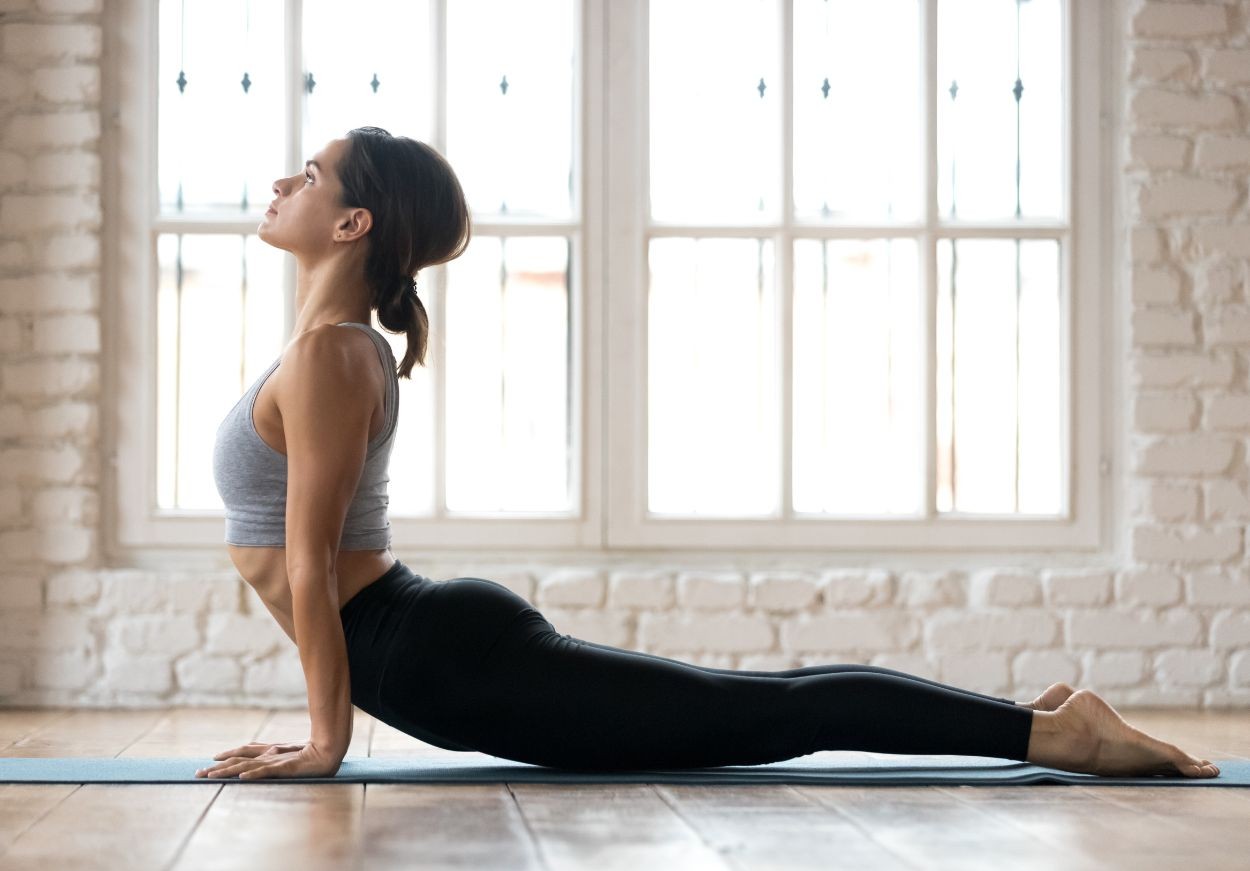
Private yoga training is one-on-one instruction where every pose, sequence, and breath cue is chosen for you specifically. Unlike a group yoga class where the instructor teaches to the room, a private session is a tailored yoga practice that starts with your body: where you're tight, where you're strong, what hurts, and what you want to accomplish. Your instructor assesses your alignment, watches how you move, and builds each session around what you actually need.
A first session typically begins with a conversation about your goals and any injuries or limitations, followed by a movement assessment where your instructor observes your posture, range of motion, and how you handle foundational poses. From there, every session is programmed to progress at your pace. Props like blocks, straps, and bolsters are used to support positions your body isn't ready for yet, and hands-on adjustments refine your alignment in real time.
The difference between private yoga and attending a class comes down to feedback. In a group setting, an instructor can offer general cues ("square your hips") but can't spend five minutes working through why your warrior II always drifts forward. In a private session, your instructor can. That level of individualized attention is why private yoga clients often make more progress in a few sessions than they made in months of group classes.
Who Private Yoga Training Is Best For
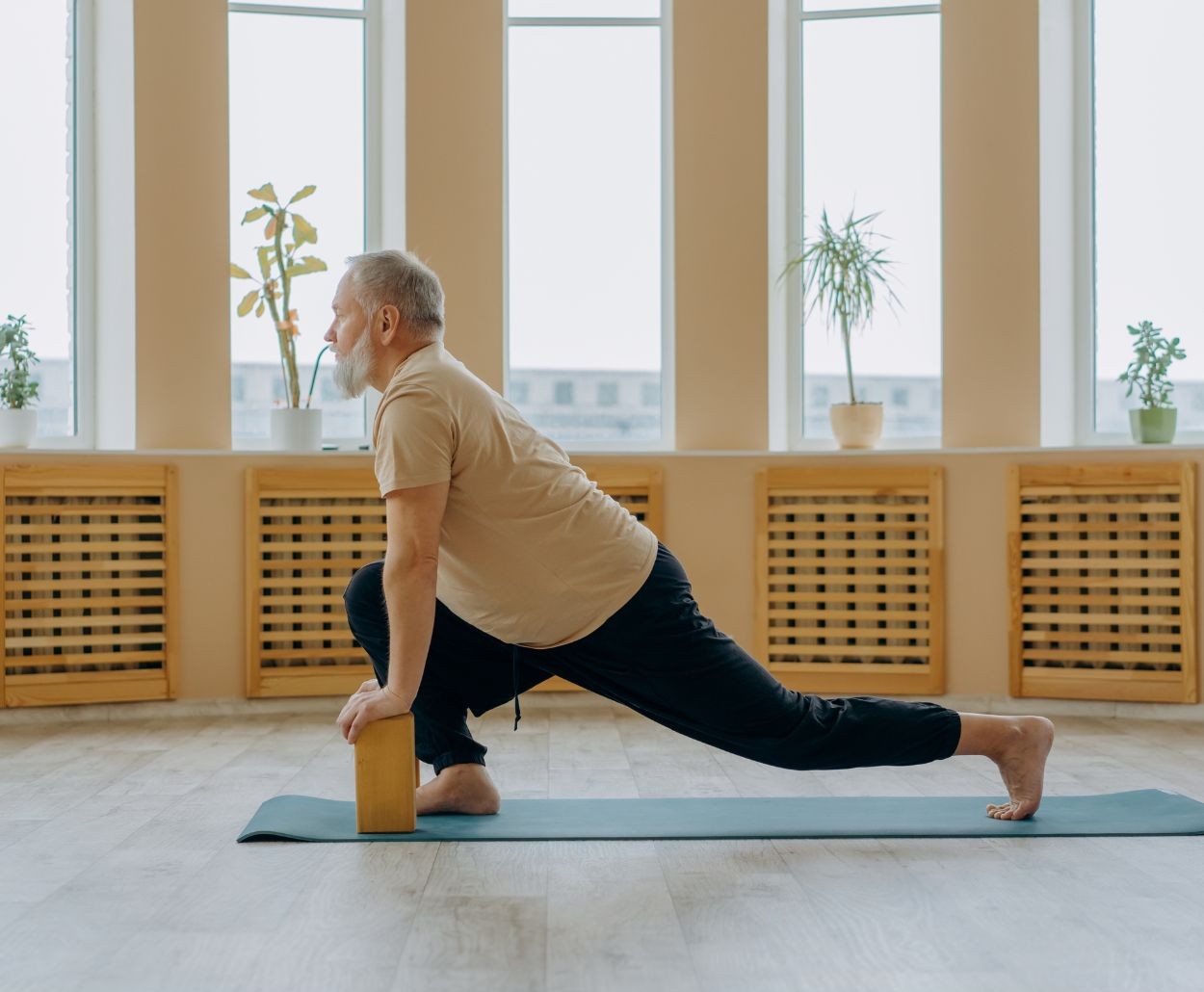
You've been to group yoga classes and felt lost, self-conscious, or unsure if you were doing the poses correctly. Private sessions eliminate all of that. You're the only student, there's nobody to compare yourself to, and every instruction is directed at you.
You sit at a desk all day and your shoulders, hips, and lower back are paying for it. Targeted yoga programming can address the specific patterns that desk work creates: rounded shoulders, tight hip flexors, and a thoracic spine that barely rotates. Private yoga is also effective for managing stress and anxiety, since breathwork and mindful movement in a one-on-one setting provide a reset that group classes can't match.
You're recovering from an injury or finishing physical therapy and need guided movement that respects your limitations. Private yoga lets your instructor work within boundaries set by your doctor or physical therapist, progressing only when your body is ready. This is especially valuable for shoulder injuries, lower back issues, and post-surgical recovery.
You train hard (lifting, running, boxing, whatever your primary sport is) and you need a recovery practice that's more structured than stretching on your own. Yoga for athletes isn't about becoming more flexible for its own sake. It's about maintaining the range of motion your sport demands and building the body awareness that prevents overuse injuries.
You've never tried yoga and want to start somewhere that doesn't assume you already know what "chaturanga" means. A private instructor meets you exactly where you are. No prior experience needed, and sessions are scheduled at times that work for you.
What Private Yoga Training Does for You
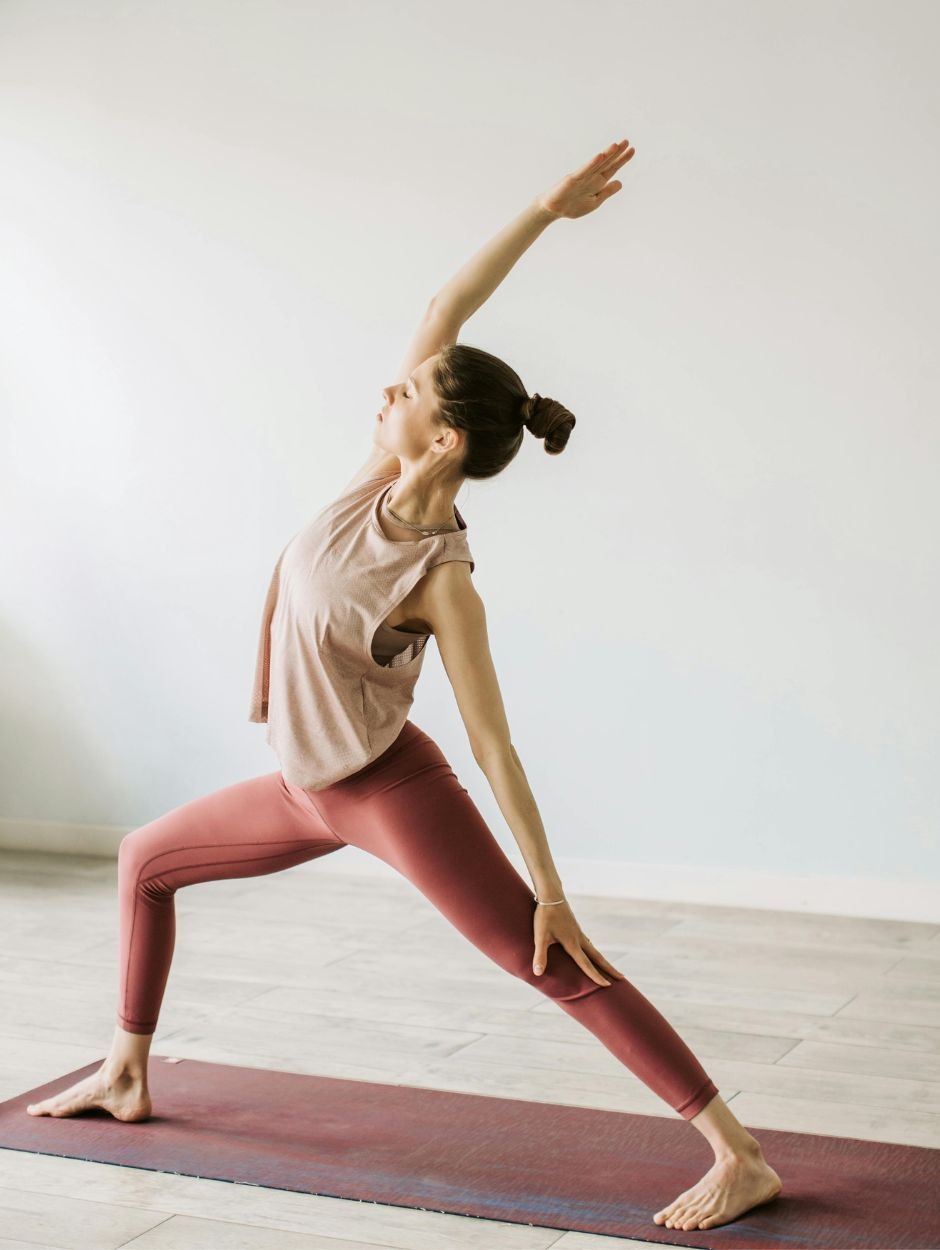
Most clients notice improved range of motion, reduced stiffness, and better body awareness within the first two to four weeks of consistent private sessions. Specific changes depend on where you start: desk workers often report that chronic shoulder tension decreases significantly, while clients recovering from injuries notice they can move through ranges of motion that were previously painful or restricted.
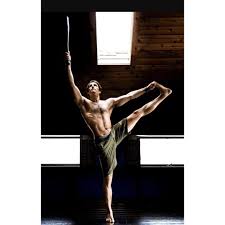
JJ Biasucci is a Yoga Teacher Trainer with over 2,000 hours of yoga training and 30 years of experience across martial arts, breathwork, qigong, and calisthenics. That background means his yoga sessions go beyond standard sequencing. He teaches complex movement patterns that build spatial awareness and develop the kind of coordinated strength that traditional yoga classes rarely address. Clients working with JJ often describe a shift in how they experience movement: not just more flexible, but more aware of where their body is in space and how to control it. That mind-body connection is what separates guided yoga practice from following along with a video.
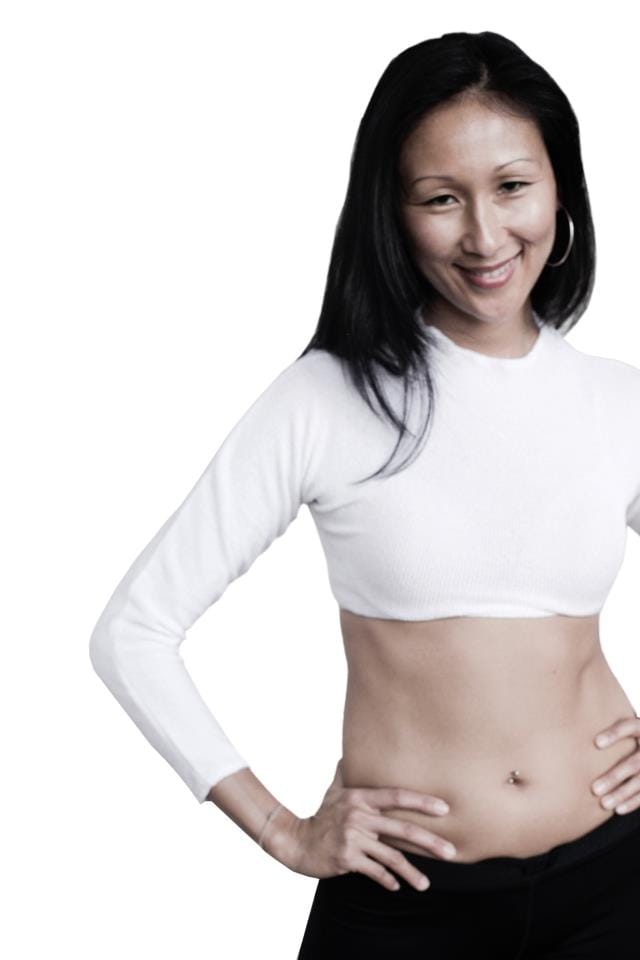
Julia Chan (500-Hour RYT, NASM-CES, Precision Nutrition L1) brings a corrective exercise specialist's lens to her yoga programming. For clients dealing with movement compensations, postural imbalances, or chronic tightness that stretching alone hasn't resolved, Julia's combination of yoga depth and corrective exercise training means she can identify why a restriction exists and program around it, not just stretch through it. A 2024 clinical review in Sports Medicine found that integrating yoga into rehabilitation protocols improved both physical recovery outcomes and psychological wellbeing, supporting what Julia's clients experience firsthand.
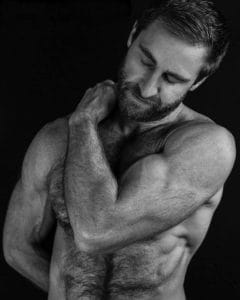
Bradford Shreve (500-Hour RYT, RKC II, PCC) is one of the rare trainers who holds advanced yoga certification alongside serious strength credentials. His private yoga sessions are particularly effective for clients who also lift or do calisthenics, because he understands how to program yoga as a complement to heavy training rather than a separate practice. The result is sessions that improve your lifting mobility without compromising the stability and tension your strength work requires.
How Momentum Delivers Private Yoga Training
Personal training for yoga at Momentum is one-on-one instruction in a dedicated yoga studio space inside the gym. A typical session starts with breathwork and a check-in on how your body is feeling that day, moves into a sequence tailored to your goals (whether that's deep flexibility work, a strength-building vinyasa flow, hatha-paced alignment work, restorative or yin-style recovery, or a blend), and finishes with guided relaxation or meditation. Sessions are 45 or 60 minutes depending on your training package.
Three trainers on staff hold dedicated yoga certifications, which is something no other gym on the Upper West Side can match. JJ Biasucci leads as a Yoga Teacher Trainer with 2,000+ hours, the highest yoga credential on staff and one that most studios in New York City don't have on their entire roster. Bradford Shreve and Julia Chan both hold 500-Hour RYT certifications, placing them in the advanced tier of Yoga Alliance-registered teachers.
Because Momentum is a full-service gym and not just a yoga studio, private yoga clients have access to complementary training methods at the same facility. A client working on hip mobility through yoga can also pursue mobility training with the same level of coaching depth. A client using yoga for injury recovery can train kettlebells for strength without switching gyms. That integration is part of what makes gym-based private yoga different from hiring a freelance instructor.
No membership required. Buy a personal training package, train at whatever frequency works for your schedule, and share unused sessions with a friend or family member. Packages don't expire.
Your Yoga Trainers
Frequently Asked Questions About Private Yoga Training
Do I need yoga experience to start private sessions?
No. Private yoga is one of the best ways to start yoga because you get full attention from your instructor from day one. There's no trying to follow along with a room full of experienced practitioners. Your instructor teaches you the foundational poses, explains the breathing patterns, and adjusts your alignment in real time. The first personal training session at Momentum is complimentary for new clients, so you can experience private yoga instruction before committing to a package.
Does Momentum offer group yoga classes?
Not right now. Group yoga classes are off the schedule at Momentum, and yoga here is taught as private one-on-one training with a certified yoga instructor. If a group setting is what you're after, Momentum's strength and conditioning classes run weekly and are capped at 8 to 10 people. For yoga itself, a private session gives you a fully guided practice with every cue directed at you, and the complimentary first session for new clients lets you try it before committing to a package.
How much does private yoga cost in NYC?
Private yoga at Momentum is priced the same as all personal training sessions. There's no premium for yoga-specific instruction. Packages don't expire, sessions are shareable with friends or family, and facility fees are included in the rate. Visit the pricing page for current package options. Compared to hiring a freelance yoga instructor in NYC ($100 to $200 per hour with no gym access), training at Momentum gives you a credentialed instructor, a dedicated studio space, and access to an 8,000 square foot facility with every tool you might need.
Is private yoga worth it compared to group classes?
Private yoga is worth it if you have specific goals that group classes can't address: back pain, injury recovery, tight hips from running, or learning correct alignment from scratch. Group yoga classes are great for maintaining a practice, building community, and getting a guided workout. Private sessions are better for addressing individual issues and progressing faster. Yoga at Momentum is private one-on-one instruction, so every session is built around you.
What should I expect in my first private yoga session?
Your instructor will start with a conversation about your goals, any injuries or medical considerations, and your training history. Then they'll observe how you move through some basic positions to assess your flexibility, strength, balance, and alignment. From there, the session moves into yoga practice tailored to what the assessment revealed. Expect hands-on adjustments, prop use if needed, and a pace that matches your current ability. You'll leave with a clear picture of where your practice is heading.
How often should I do private yoga?
Two to three sessions per week produces the fastest results in flexibility, strength, and body awareness. One session per week is enough to build a foundation and make steady progress, especially when combined with consistent home practice between sessions. Your instructor can recommend a frequency based on your goals and what other training you're doing.
Is yoga good for back pain?
Yoga is one of the most effective movement practices for managing and reducing back pain when it's taught correctly. The key is "correctly": generic yoga classes can aggravate back issues if the instructor can't modify poses for your specific condition. Private yoga significantly reduces that risk. Your instructor knows your back history, avoids movements that provoke pain, and progressively builds the core stability and spinal mobility that help address the underlying issues. If you're currently working with a doctor or physical therapist, your yoga instructor programs within the boundaries they've set.
What certifications should a yoga teacher have?
At minimum, look for a Registered Yoga Teacher (RYT 200) credential from a Yoga Alliance-accredited school. A 500-Hour RYT indicates advanced training in anatomy, sequencing, and teaching methodology. An E-RYT 500 (Experienced Registered Yoga Teacher) requires 500 hours of training plus at least 2,000 hours of teaching experience. A Yoga Teacher Trainer is the highest designation, meaning that person is qualified to train and certify other yoga teachers. Momentum's JJ Biasucci holds Yoga Teacher Trainer status with over 2,000 hours of yoga training, which means the person coaching your private session has the credentials to certify the instructors at other studios. Bradford Shreve and Julia Chan both hold 500-Hour RYT certifications.
What's the difference between private yoga and a yoga class?
In a group class, the instructor teaches a sequence designed for the room. Poses are cued verbally, adjustments are brief, and the pace moves at a set rhythm. In a private session, everything is designed for you: the sequence, the pace, the modifications, and the depth of instruction. Your instructor can spend an entire session on hip openers if that's what your body needs, or build a strength-focused vinyasa flow that challenges areas a group class never addresses. Private sessions also offer schedule flexibility, since you book at times that work for you rather than working around a class schedule.