Injury Recovery and Post-Rehab Personal Training on the Upper West Side
Your physical therapist cleared you. The pain is better. But "better" and "back to normal" aren't the same thing, and you know it. Post-rehab personal training bridges the gap between where physical therapy left off and where you actually want to be.
What Happens After Physical Therapy Ends
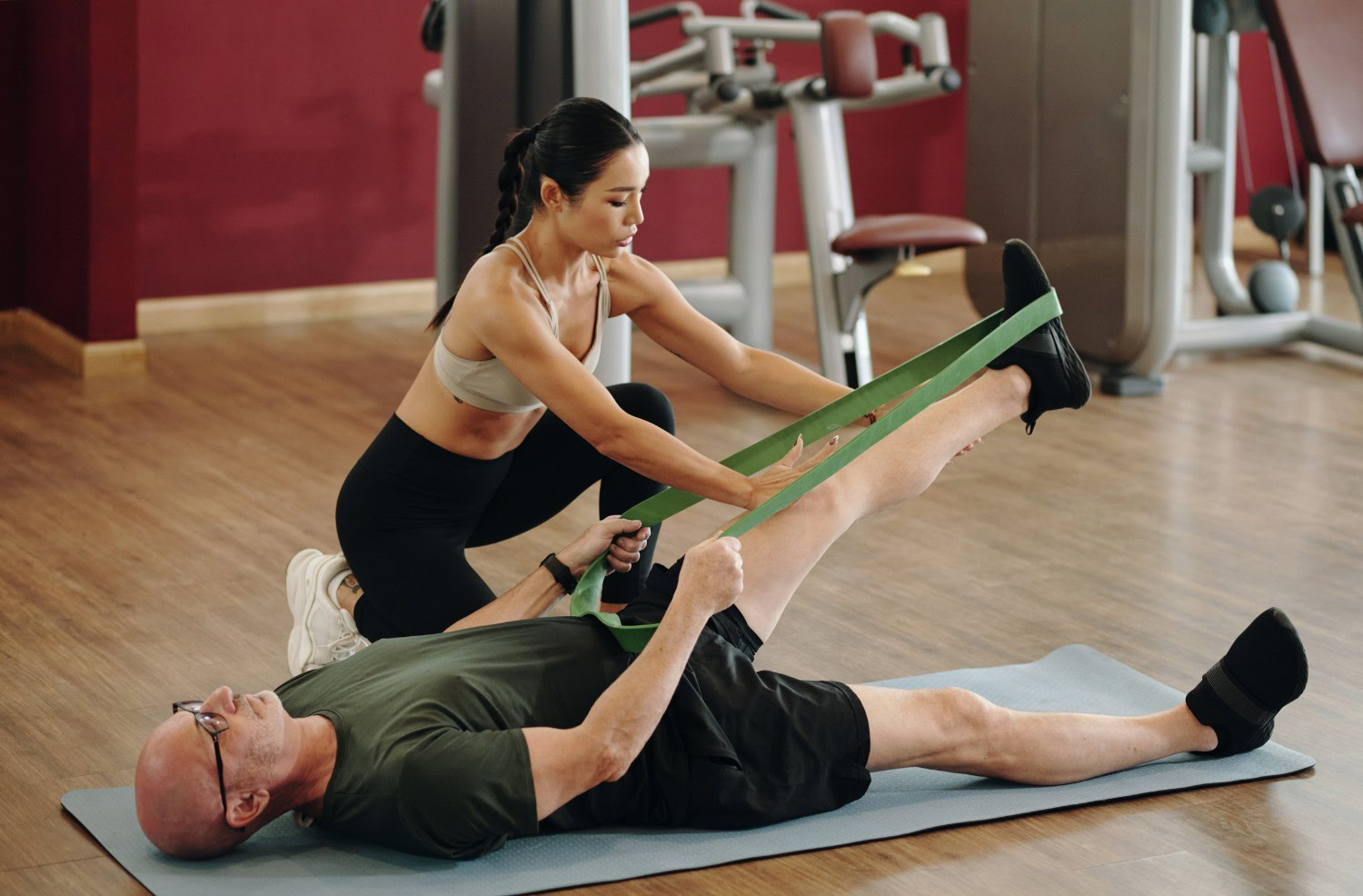
Physical therapy gets you functional. It restores baseline range of motion, reduces acute pain, and gives you a discharge sheet of exercises. What it doesn't do is rebuild the strength, confidence, and conditioning you lost while you were recovering. That gap between PT discharge and real fitness is where most people stall, and it's where re-injury happens.
The pattern is common. You finish physical therapy, try to return to your old routine, push too hard too soon, and end up right back where you started. Or you play it so safe that six months later you're still doing the same three exercises from your discharge sheet, wondering why you don't feel like yourself. Research published in Sports Health found that among 720 first-time NYC Marathon runners, nearly half sustained injuries during training. The problem wasn't effort. It was unstructured progression without professional guidance.
Post-rehab training is what fills that gap. It picks up where your physical therapist left off, with full knowledge of your injury history, your doctor's guidelines, and the specific areas that need protection while the rest of your body gets stronger. It's not physical therapy. It's structured strength and conditioning designed for someone whose body has been through something and needs to be rebuilt with intention.
How Momentum Helps You Recover Stronger
At Momentum, your post physical therapy training program isn't built around a single approach. Personal training for post-rehab combines functional movement correction, progressive strength training, and mobility work tailored to your specific injury, your doctor's clearance, and what you need to get back to doing.
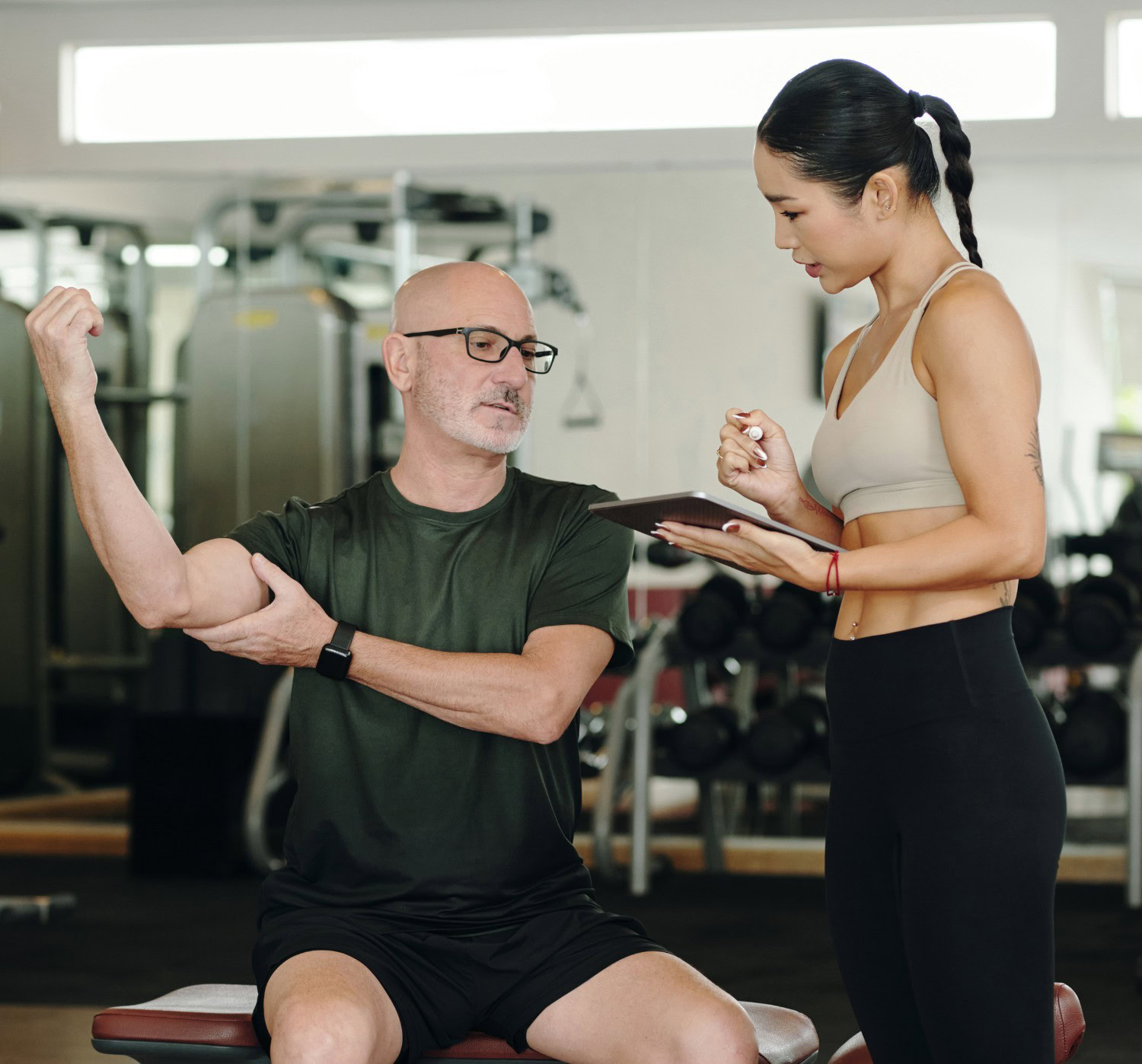
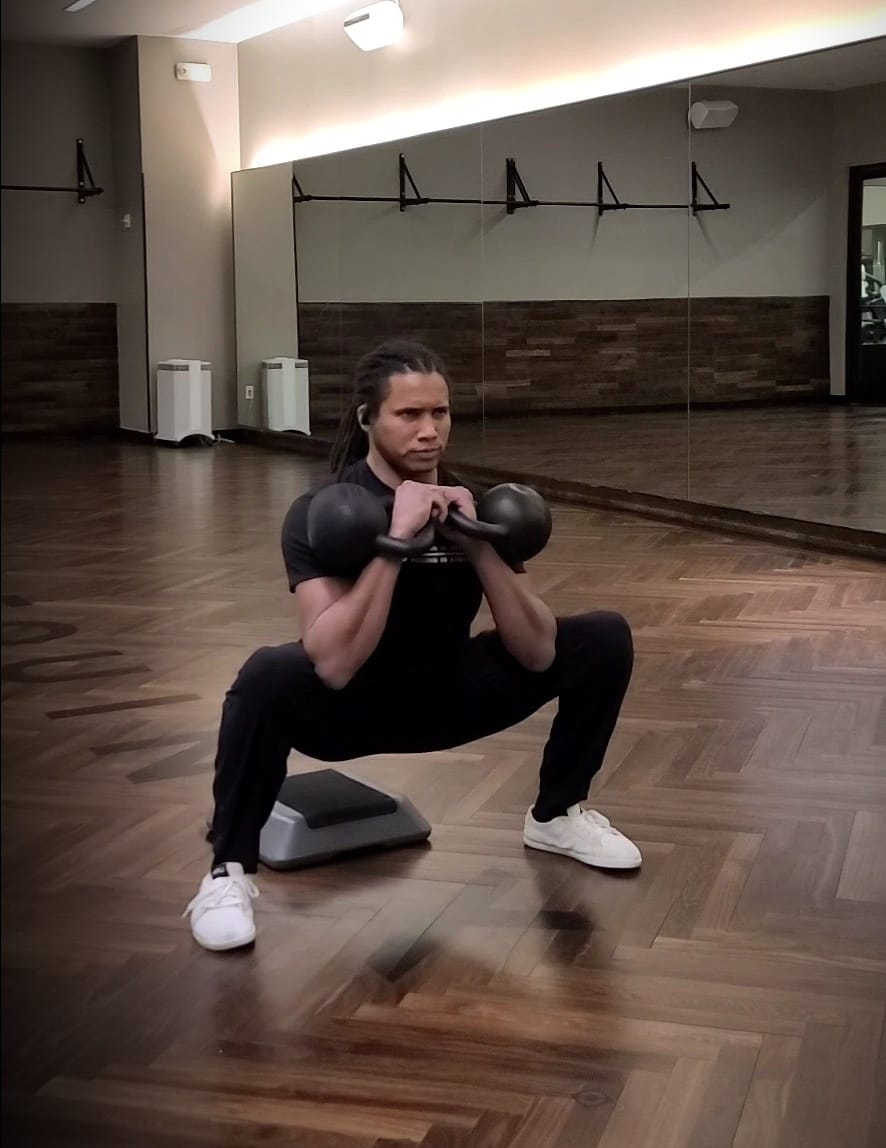
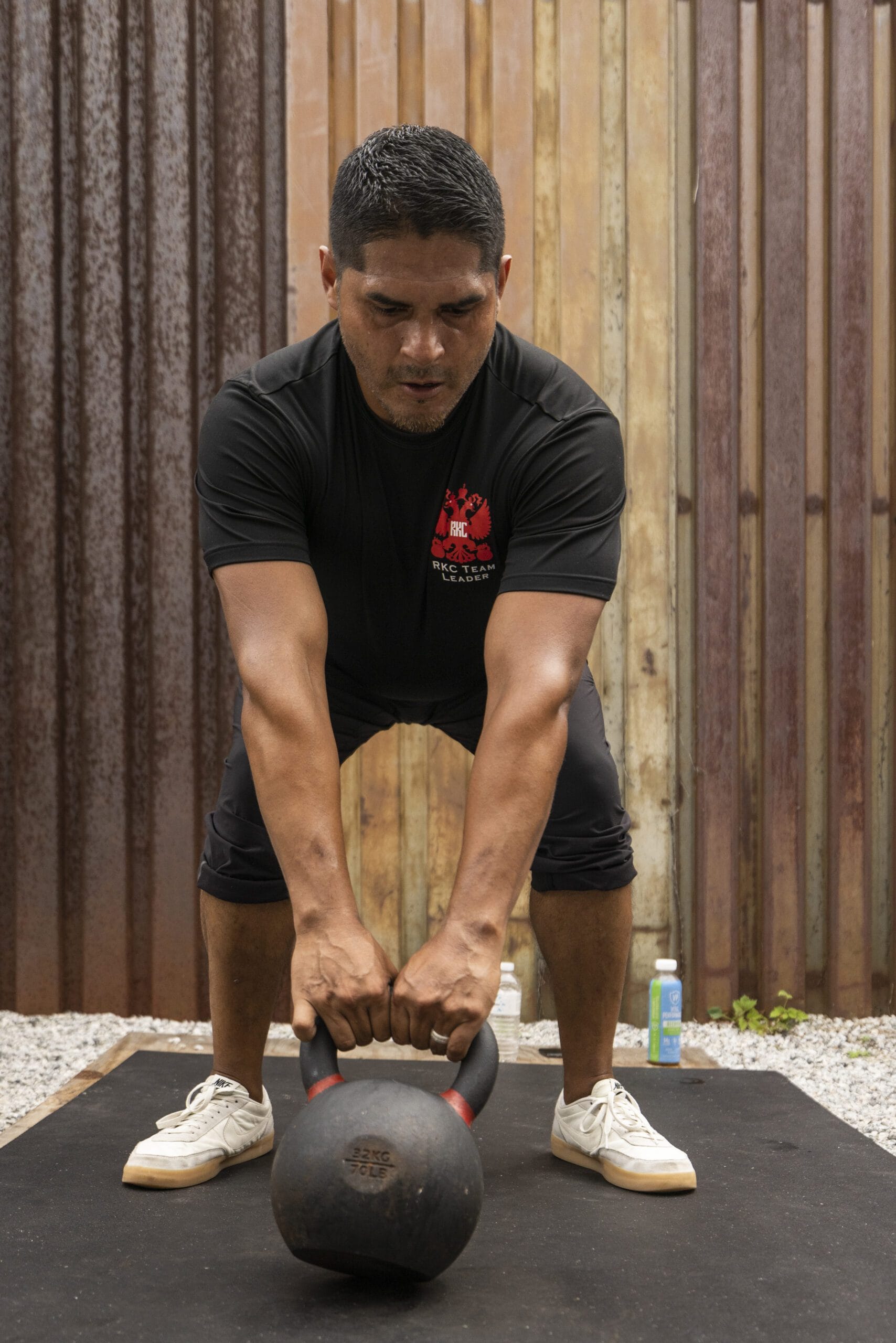
Corrective exercise as the foundation. Every post-rehab client starts with an assessment that identifies what's compensating for what. After an injury, your body reroutes movement patterns to protect the damaged area, and those compensations become their own problems over time. José Araujo holds an NASM Corrective Exercise Specialist certification and works specifically with clients who are stuck from injury, pain, or chronic frustration. His approach is deliberately slow and systematic: corrective exercises matched to your current capacity first, then light kettlebells, then progressive loading as your movement quality improves. At Momentum, corrective exercise isn't a warmup. It's the method that makes everything else safe.
Progressive strength rebuilding. The ACSM recommends that individuals returning from injury begin progressive resistance training at 8 to 12 repetitions per set, 2 to 3 days per week, with load increases of 2 to 10 percent when the current weight becomes manageable (ACSM Position Stand). That's the framework for safe progression your trainer follows, adjusted to your injury and your doctor's parameters. Isabella Stansbury blends corrective exercise with Pilates-based training to rebuild joint health, core function, and the movement patterns your body forgot during the injury. Her approach is clinically careful: she programs for resilience and trains clients with their "future self" in mind, which means the goal is not just returning to where you were before the injury but building the structural integrity that prevents the next one. Marcus Tavares combines FMS-based screening with TriggerPoint therapy to identify restrictions before building load, and his corrective focus means sessions address the underlying tissue quality alongside the strength work. Research on integrating strength and conditioning principles into rehabilitation shows that early stages prioritize lower intensity and neuromuscular control, while later stages shift toward functional recovery and supervised progressive loading.
Mobility and whole-body reconditioning. Injury recovery isn't limited to the site that was injured. When your shoulder was immobilized for eight weeks, your core weakened, your posture shifted, and your opposite side picked up habits it shouldn't keep. Whole-body reconditioning addresses the compensations so they don't become their own problems down the line. For clients working through the psychological side of recovery (the fear of re-injury, the loss of trust in their own body), JJ Biasucci brings a trauma-informed coaching approach grounded in his CASAC certification and 30 years of movement practice. His philosophy is that clients "don't just get fit, they get harder to break," and that resilience is physical and mental.
Ongoing collaboration with your medical team. Your trainer doesn't replace your doctor or physical therapist. They work within the boundaries your medical team sets and adjust as those boundaries expand. If your orthopedist clears you for loaded squats at 12 weeks post-surgery but not impact, that's exactly what your program reflects. Your trainer can coordinate with your PT or doctor as needed, so your programming stays aligned with your medical team's recommendations. That collaboration is what makes re-injury prevention possible. Marco Guanilo has extensive experience helping post-surgical clients from the Hospital for Special Surgery, and that experience shapes how Momentum's post-rehab programs respect clinical boundaries.
Who Post-Rehab Training Is For
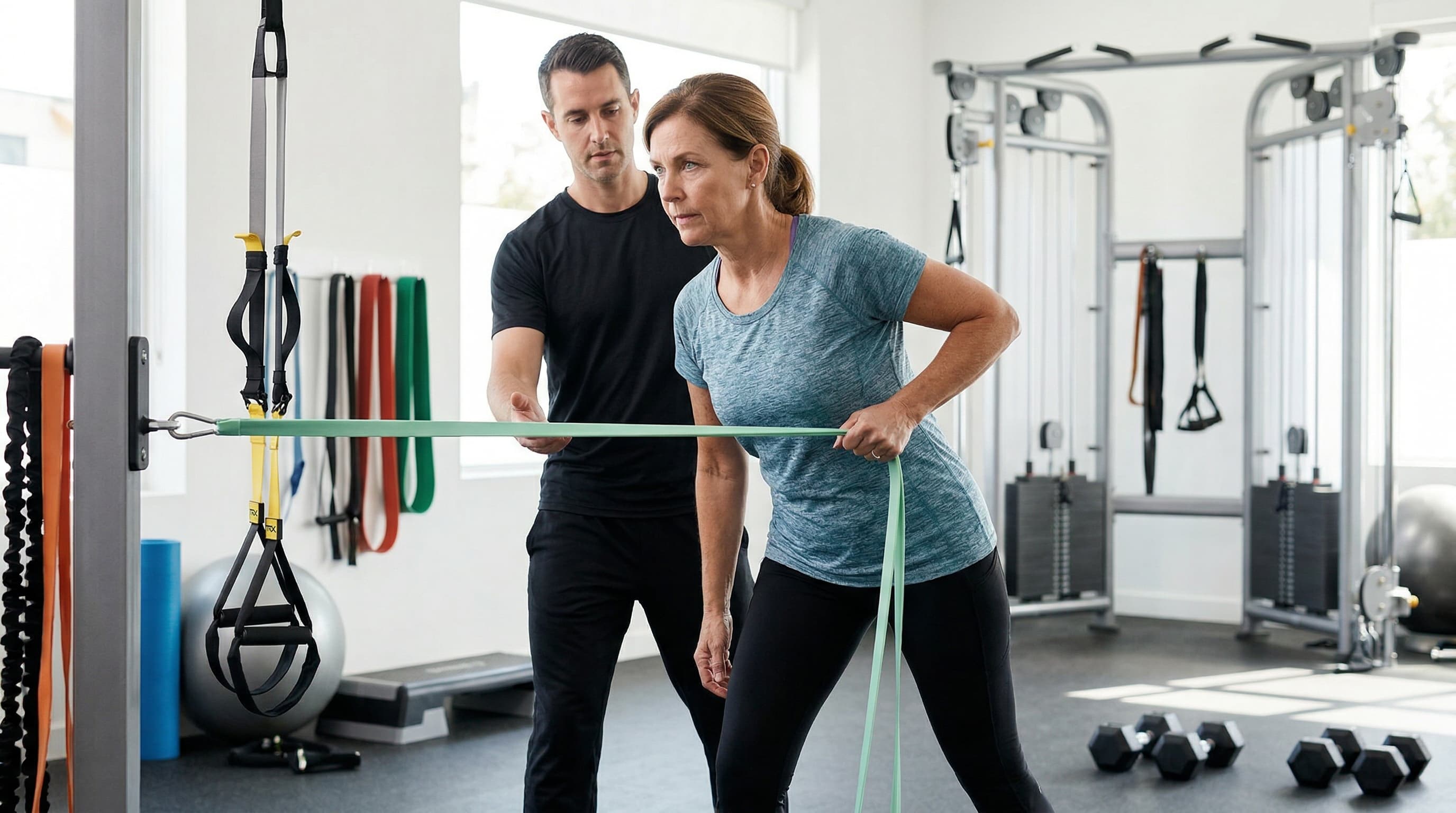
You finished physical therapy weeks or months ago, but you still don't trust your body the way you used to. The discharge exercises feel like a fraction of what you used to do, and every time you try to push yourself there's a voice in the back of your head warning you to stop. You want to regain confidence in movement and return to real training, but you need someone who understands how to get you there without setting you back.
You had surgery on your knee, shoulder, back, or hip and your surgeon cleared you for exercise, but you don't know what's safe and what isn't. ACL reconstruction, meniscus repair, rotator cuff repair, spinal fusion, hip replacement: the surgeries differ, but the uncertainty afterward feels the same.
You've been dealing with chronic pain (herniated discs, sciatica, shoulder impingement, IT band syndrome) and physical therapy helped for a while, but the pain cycles keep returning because the underlying movement patterns never changed.
What Your First Post-Rehab Session Looks Like
Your first session isn't a workout. It's a conversation and an assessment. Your trainer reviews your injury history, your surgical notes if applicable, your PT discharge summary, and your doctor's clearance. They ask what movements you're avoiding, what daily activities still feel limited, and what "back to normal" means to you.
From there, they run a musculoskeletal screening: guided movements that show where range of motion has returned, where compensations are still present, and where your body is protecting areas that may no longer need protection. There's no heavy loading, no high-impact work, and no "let's see what you can do." The first session is diagnostic. You leave with a clear picture of where you are and what your programming will focus on first.
Training happens at Momentum's 8,000 square foot facility on Columbus Avenue, or in your home if that's more practical for your recovery. There are no membership fees. Buy a personal training package and use it at whatever pace your recovery allows. Packages don't expire, which matters when your progress timeline depends on how your body responds, not a calendar.
Your Injury Recovery Trainers


Group Classes That Support Recovery
Momentum's strength and conditioning classes build load tolerance in a supervised group setting once you're cleared for group training. All classes are capped at 8 to 10 people, which means your instructor can see your form and modify movements for your situation. If you'd rather rebuild mobility, breathwork, and movement quality one-on-one, private yoga sessions serve post-rehab clients at every stage.
No membership required. Grab a class pack and use it across any group fitness class on the schedule.
Frequently Asked Questions
What is post-rehab training?
Post-rehab training is structured exercise programming designed for people who have completed physical therapy and been cleared by their doctor to return to fitness. It's not physical therapy. Your trainer doesn't diagnose or treat injuries. They build a progressive strength and conditioning program that respects your injury history, protects vulnerable areas, and rebuilds the fitness you lost during recovery.
What happens after physical therapy ends?
For most people, physical therapy ends with a discharge sheet of exercises and a recommendation to "keep doing these at home." The problem is that those exercises are designed to restore baseline function, not rebuild strength, conditioning, or confidence. Post-rehab personal training picks up where your PT left off and creates a structured path back to real fitness. The transition from medical care to performance-focused training is a recognized phase in injury recovery literature, and it's exactly what post-rehab programming is built for.
What's the difference between physical therapy and post-rehab training?
Physical therapy is a clinical treatment performed by a licensed physical therapist to address pain, restore range of motion, and heal tissue. Post-rehab training is fitness-based conditioning performed by a certified personal trainer after your PT or doctor has cleared you. Your trainer programs exercise within the boundaries your medical team sets. They assess, adjust, and progress your training. They don't diagnose, prescribe, or treat.
Is it normal to still have pain after physical therapy?
Some residual discomfort after PT discharge is common, especially with activity. But if you're experiencing significant or worsening pain, talk to your doctor or physical therapist before starting any new exercise program. A post-rehab trainer works within your medical team's guidelines and communicates with your PT or doctor if anything changes during training.
What should I do if physical therapy didn't work?
Start by talking to your doctor or physical therapist about why progress stalled. Sometimes a different clinical approach is the answer, and that's a medical decision. But if you've been discharged, your imaging is clear, and you're still stuck in pain cycles or limited movement, the missing piece is often what happens after clinical care: the movement patterns, strength deficits, and compensations that treatment alone doesn't rebuild. That's the gap post-rehab training addresses. Your trainer starts with a musculoskeletal screening to find what's still compensating, then builds progressive training within your medical team's guidelines.
What certifications should I look for in a post-rehab trainer?
The most relevant certifications for post-rehab training are the NASM Corrective Exercise Specialist (CES), which six Momentum trainers hold, and the Functional Movement Screen (FMS), which is used to identify compensations that developed during your injury and recovery. At Momentum, trainers also hold TriggerPoint Therapy certifications, Certified Functional Strength Coach (CFSC) credentials, and Progressive Calisthenics Certification (PCC) for bodyweight progressions. Multiple trainers have specific experience working with post-surgical clients and in physical therapy settings.
How long does post-rehab training take?
It depends on the injury, the surgery (if applicable), and how long you were inactive. Most clients begin to feel meaningfully stronger and more confident within 8 to 12 weeks of consistent training 2 to 3 times per week. Research supports progressive resistance training on this frequency for returning exercisers. Your trainer re-evaluates your programming as you progress and adjusts based on how your body is responding, not a fixed timeline.