
Weight Loss Personal Training on the Upper West Side
You've counted calories, followed the plans, and put in the work. The scale moved for a while, then stopped. Weight loss personal training at Momentum Fitness doesn't start with a meal plan or a cardio schedule. It starts with understanding why your body stopped responding and building a program that addresses the actual problem.
Why the Scale Stopped Moving

Most people who walk into Momentum looking for weight loss help aren't starting from zero. They've been at this for a while. They've tried the apps, the classes, the online programs. Some of it worked. Then it didn't.
The pattern is predictable. Calorie restriction without strength training burns muscle along with fat. Your metabolic rate drops. The weight comes back, but now you have less muscle to burn it off. Each cycle makes the next one harder. This isn't a willpower problem. It's a programming problem. It's also not a problem that fad diets or extreme restrictions can solve. A science-based approach works differently.
Sustainable weight loss requires three things working together: strength training that builds or preserves lean muscle, nutrition coaching that fits your actual life, and consistent tracking so adjustments happen based on data instead of guesswork. Most gyms offer the first one. Momentum builds all three into every weight loss program.
How Momentum Builds a Weight Loss Program That Works
Your program at Momentum isn't one thing. It's a combination of strength training, nutrition coaching, and body composition tracking built around how your body actually responds.
Strength training as the foundation.
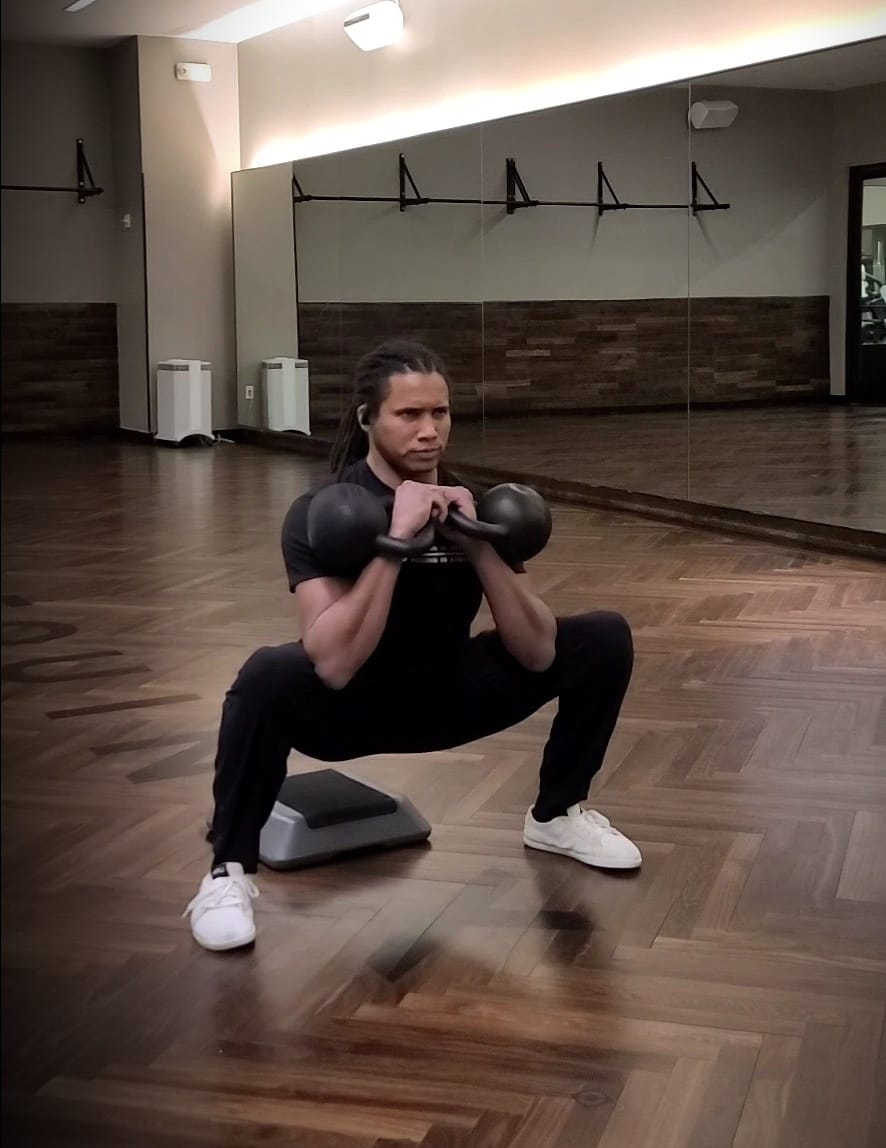
Resistance training preserves lean muscle during a calorie deficit, which keeps your metabolic rate from dropping as you lose fat. That's the difference between losing weight and losing fat. At Momentum, your trainer programs compound movements (kettlebell swings, deadlifts, loaded carries, squats) that recruit more muscle per rep and produce a higher calorie burn per session. An ACE study found that kettlebell training can burn roughly 20 calories per minute. Fifteen trainers hold kettlebell certifications, most through the RKC and Hardstyle systems, so the programming is built on a foundation most gyms can't match.
Nutrition coaching from certified specialists.
Five trainers hold Precision Nutrition certifications and three also hold the NASM Weight Loss Specialist credential. That means your nutrition guidance comes from someone who understands both the science of fat loss and the reality of eating in NYC. Your trainer and your nutrition coach can be the same person, which eliminates the gap between what you're told to eat and how you're told to train. They'll help you understand your caloric needs, build sustainable dietary habits around macro tracking, and adjust as your body composition changes. José Araujo's approach is deliberately systematic. He layers in nutrition and resistance training progressively, because rushing the process leads to frustration, not results.
Body composition tracking, not just weigh-ins.
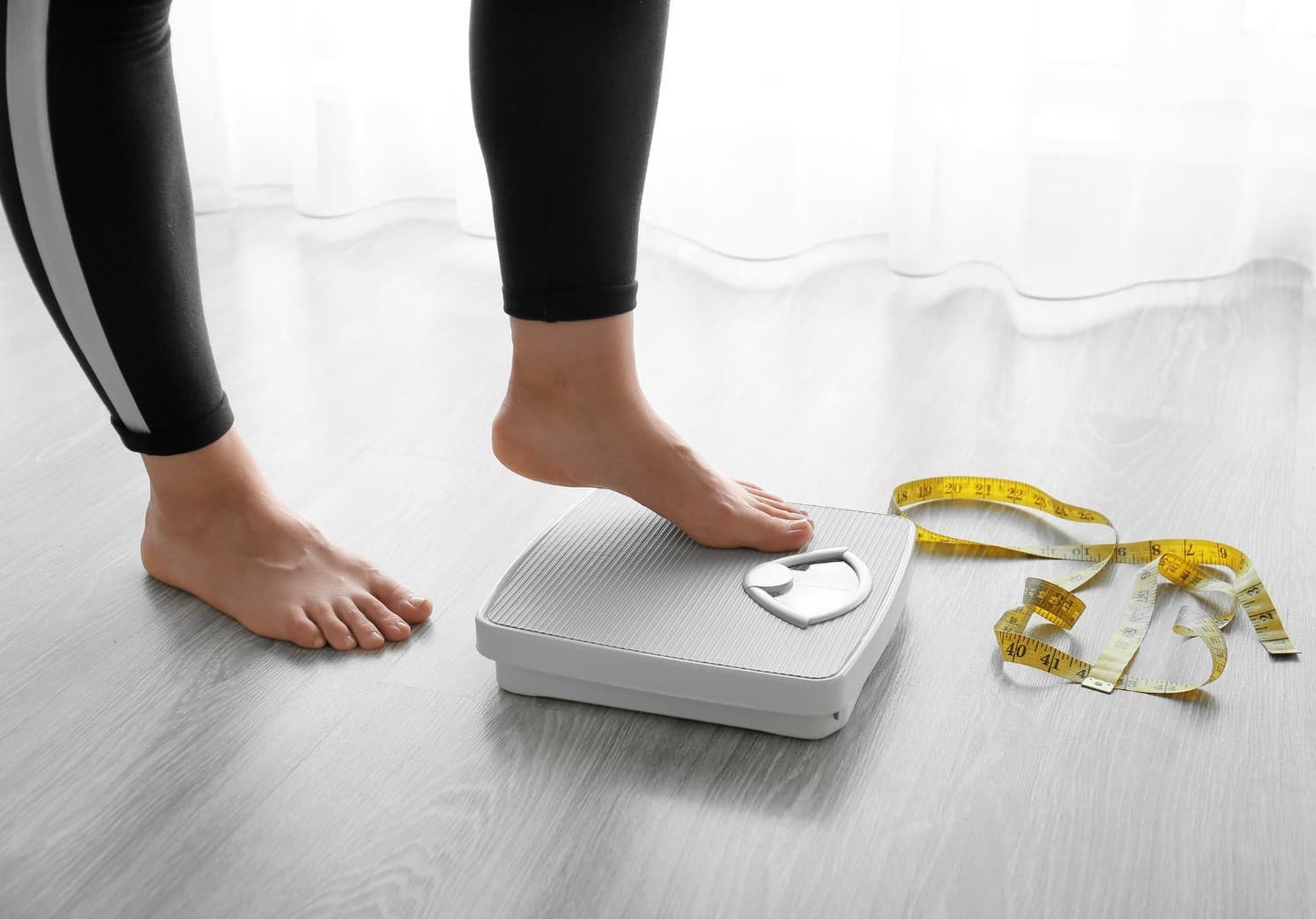
Momentum's InBody 570 measures body fat percentage, lean muscle mass, basal metabolic rate, and segmental muscle balance in 45 seconds with 98% DEXA correlation. That matters because the scale lies. BMI treats all weight the same. Neither tells you whether you're losing fat or muscle. A client who gains two pounds of muscle and loses three pounds of fat has made real progress, but a bathroom scale would only show one pound lost. Body recomposition (gaining muscle while losing fat) is what most clients actually want, even if they walked in asking about weight loss. InBody scans give you and your trainer the data to adjust programming based on what's actually changing, not what a number on a scale suggests. Tracking body composition over time shows a transformation that before and after photos alone can't capture: the shift from losing weight to building a leaner, stronger body.
Accountability that's built into the process.
Weekly check-ins with your trainer keep your program responsive. If your body composition stalls, your trainer adjusts the programming or the nutrition plan. If you hit a plateau at twelve weeks, the approach shifts before frustration sets in. This isn't a set-it-and-forget-it program. It's coached and adjusted continuously, so the muscle definition and long-term results come from a process that adapts as you change.
Who Weight Loss Training at Momentum Is For
You've lost and regained the same 15 pounds more than once. The programs worked until they didn't, and the approaches that worked in your 20s and 30s aren't producing results anymore. You need an approach that accounts for why the weight keeps coming back, and for how your metabolism responds now.
You're a busy professional who doesn't have time to figure out the right balance of training, nutrition, and recovery on your own. You want someone qualified to handle the programming so you can just show up, train, and trust the process.
You've been strength training but your body composition hasn't changed the way you expected. You're putting in the hours but you're not sure your programming or nutrition is dialed in for fat loss specifically.
Your First Step Toward Body Composition Change
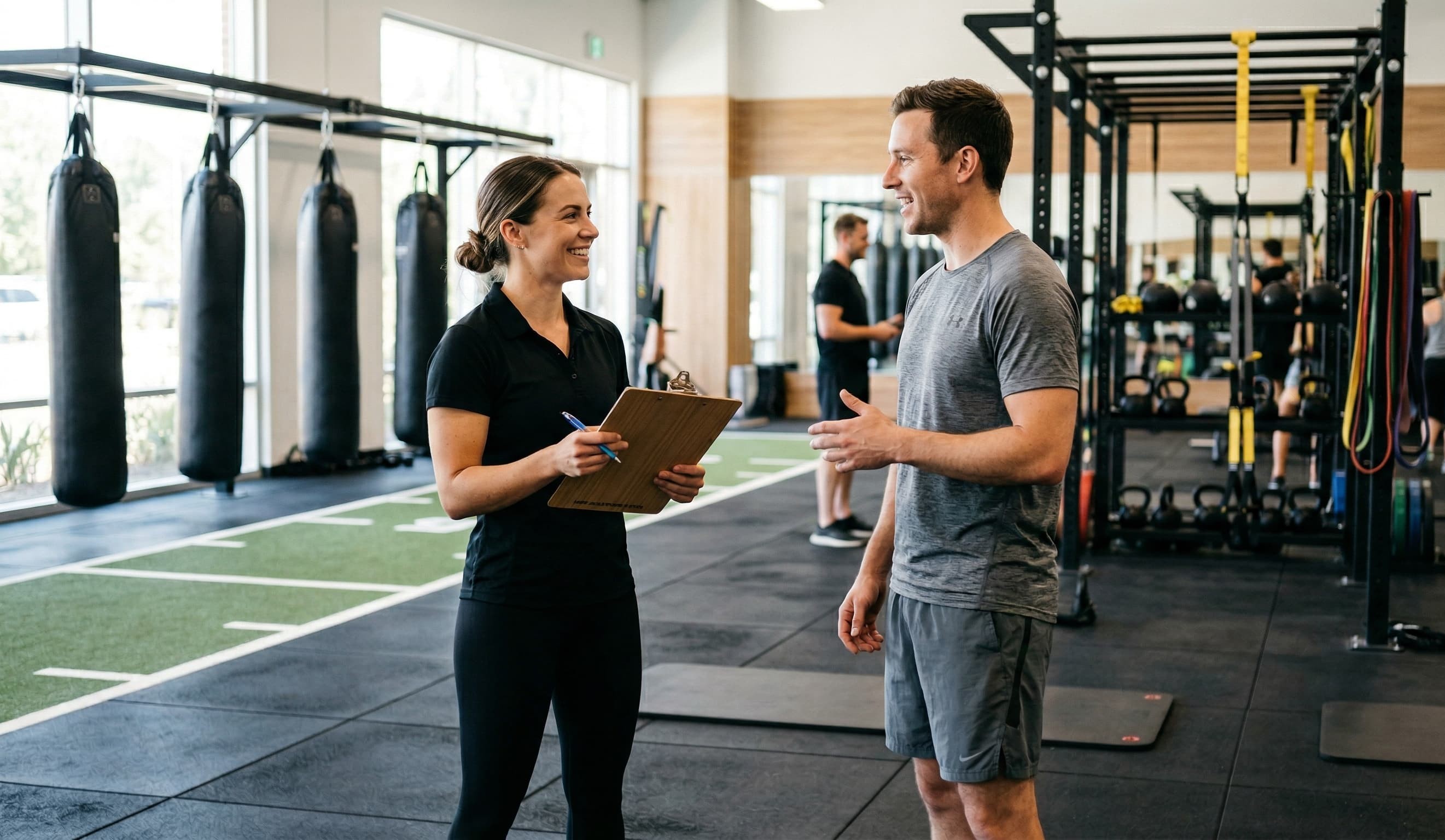
Your first session is complimentary. It starts with a conversation about where you are and what you've tried. Your trainer runs a Functional Movement Screen to see how your body moves and an InBody scan to establish your baseline body composition. From there, they build a program around your starting point, not a template.
For weight loss clients, that baseline matters more than most people realize. Your InBody results show exactly where your lean mass and body fat sit, and your trainer uses those numbers to set realistic targets and program your training and nutrition around them. No guesswork. No generic plans.
No membership required. You buy a personal training package, and packages don't expire. Sessions are shareable with a friend or family member.
Your Weight Loss and Nutrition Trainers






Group Classes That Support Weight Loss
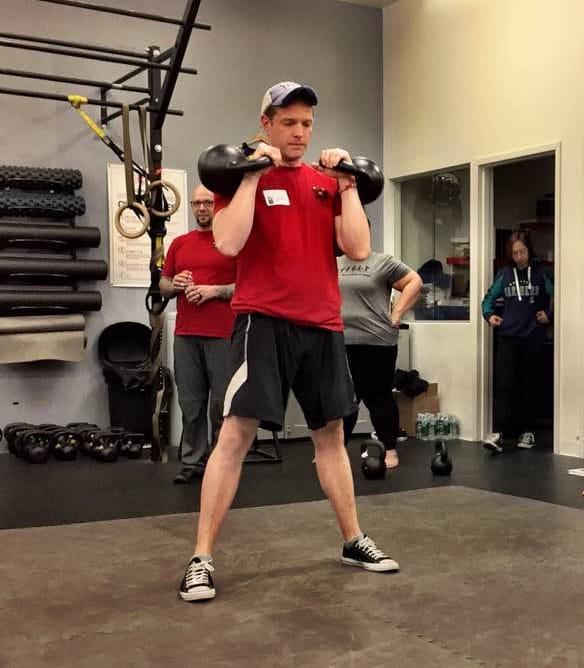
Personal training is where the programming and nutrition coaching happen, but group classes are a cost-effective way to add training volume during the week. Momentum's kettlebell and conditioning classes use kettlebells, dumbbells, sleds, and bodyweight movements in coached, small-group sessions capped at 8-10 people. The format complements a weight loss training program because the movements and intensity align with what your trainer is already programming.
Classes run on a no-membership model. Buy a class pack and use it for any class on the schedule. Packs don't expire and are shareable.
Frequently Asked Questions
How long does it take to see weight loss results with a personal trainer?
Most clients see measurable body composition changes within four to six weeks of consistent training and nutrition coaching. The first InBody scan sets your baseline. The second scan (usually around week six) shows whether you're losing fat, gaining lean muscle, or both. Visible changes in how clothes fit and how you feel often come sooner. Results depend on training frequency (two to three sessions per week is the sweet spot), nutrition consistency, and where you're starting from.
Is personal training worth it for weight loss?
If you've tried managing weight loss on your own and hit a wall, the answer is almost always yes. And if you're brand new to training entirely, Momentum's strength training for beginners program covers the fundamentals first. A trainer who holds a Precision Nutrition certification can build your training and nutrition plan as one integrated program instead of two separate efforts. The accountability alone changes the equation: weekly check-ins, InBody tracking, and programming adjustments keep you progressing instead of guessing. Momentum offers a complimentary first session so you can see the approach before committing.
What's the difference between weight loss and body composition change?
Weight loss means the number on the scale goes down. Body composition change means the ratio of fat to muscle on your frame shifts, even if your weight stays the same. You can lose ten pounds and look the same if you lost muscle along with fat. You can gain two pounds and look dramatically different if that gain was muscle replacing fat. That's why Momentum tracks body composition with the InBody 570 instead of relying on scale weight. The goal isn't a lighter body. It's a leaner, stronger one.
Can I lose weight with just training, without changing my diet?
Training alone can produce some results, especially early on. But for sustained fat loss, nutrition has to be part of the plan. Five of Momentum's trainers hold Precision Nutrition certifications, so your nutrition coaching comes from the same person programming your training. That integration matters because your caloric needs shift as your body composition changes, and your trainer can adjust both sides of the equation in real time.
How often should I train for weight loss?
Two to three personal training sessions per week is what most weight loss clients at Momentum follow. That frequency gives your body enough stimulus to build lean muscle and enough recovery time between sessions. Many clients add one or two strength and conditioning group classes on top of their PT sessions for additional conditioning without the cost of extra personal training hours.
Do I need a nutritionist or a personal trainer for weight loss?
For most people, a trainer with a nutrition certification covers both sides. A registered dietitian is the right call for medical nutrition therapy (diabetes management, eating disorders, clinical conditions). But for the practical side of fat loss, building sustainable dietary habits, understanding your macros, and adjusting your nutrition as your body composition changes, a Precision Nutrition certified trainer handles that alongside your programming. At Momentum, five trainers hold PN certifications and three hold the NASM Weight Loss Specialist credential, so your training and nutrition plan come from the same person. No referral chain, no conflicting advice.