
Athletic Performance Training on the Upper West Side
You don't need to be a professional athlete to train like one. Whether you're chasing a marathon PR, trying to keep up in your weekend basketball league, or just tired of getting hurt every time you push yourself, athletic performance training on the Upper West Side gives you a running coach, a strength program, and a plan built for people who compete, play, or just refuse to slow down.
Why Recreational Athletes Keep Getting Hurt

Most athletic performance content is written for elite athletes. But the majority of people searching for a running coach or sport-specific training aren't trying to qualify for the Olympics. They're recreational athletes: adults who run Central Park on weekends, play in a tennis league, cycle upstate in the summer, or swim laps at the Y before work. They take their sport seriously even if it's not their profession, and they keep getting hurt because their training doesn't match their activity.
Recreational runners sustain roughly 7.7 injuries per 1,000 hours of running. For novice runners, that number jumps to 17.8. The pattern is the same across sports: you play hard on the weekend, do nothing structured during the week, and wonder why your knee flares up or your shoulder gives out. The missing piece isn't more time on the field or the trail. It's the strength, mobility, and conditioning work that makes your body resilient enough to handle what you're asking it to do.
That's what athletic performance training is. Not a running plan and not a generic gym program. It's structured strength and conditioning designed around the specific demands of your sport, your body, and your goals.
How Momentum Trains Athletes on the Upper West Side
At Momentum, sports performance programming combines sport-specific coaching with the strength and conditioning work that most athletes skip. The goal isn't just faster times or heavier lifts. It's durability: performing at your best without breaking down.
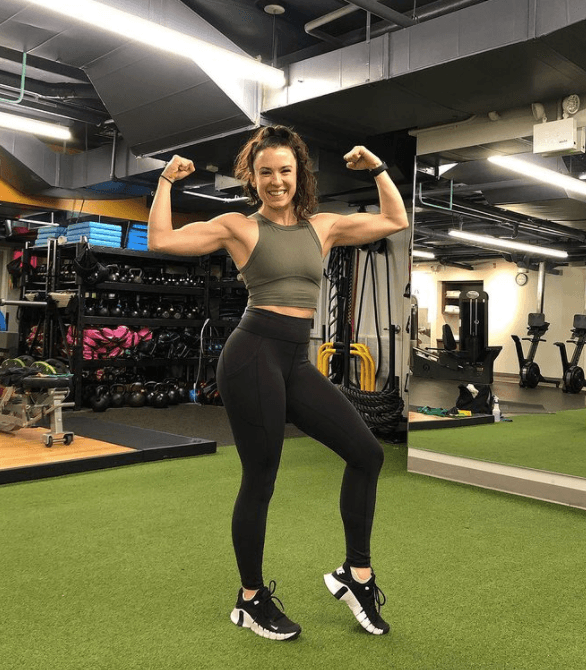
Running coaching and gait analysis. Jen Ares-Cruz is an RRCA-certified running coach and RKC II kettlebell instructor whose programming combines structured run coaching with strength training. She builds marathon prep, 5K and 10K training, and half marathon programs around each runner's mechanics, injury history, and race goals. Her approach to running starts with how you move: stride mechanics, foot placement, pronation, and the compensations that develop when runners skip strength work. Research shows that gait retraining can reduce injury occurrence by 62 percent in novice runners over a one-year follow-up. At Momentum, running coaching isn't just mileage plans. It's fixing the mechanical issues that cause injuries in the first place.
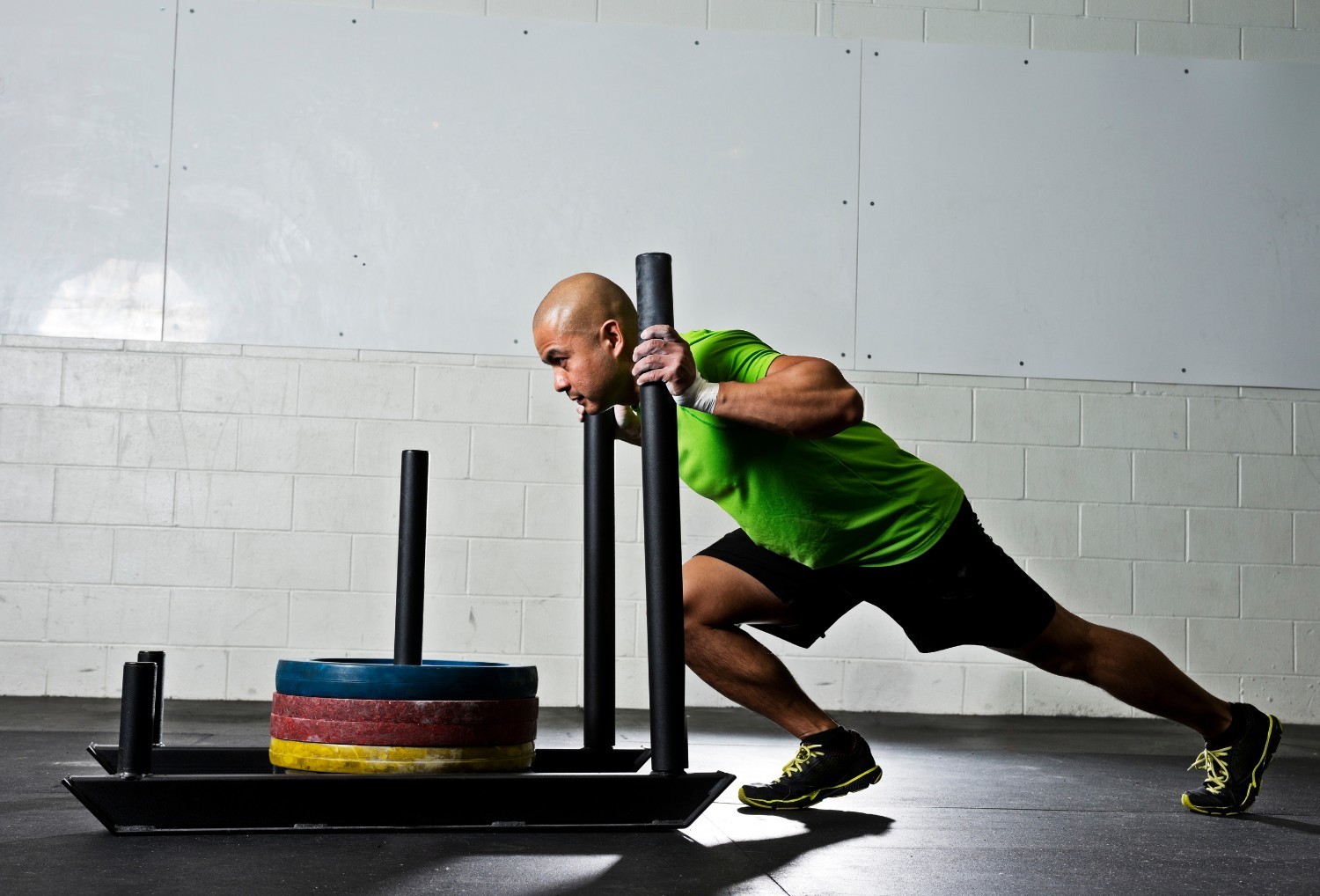
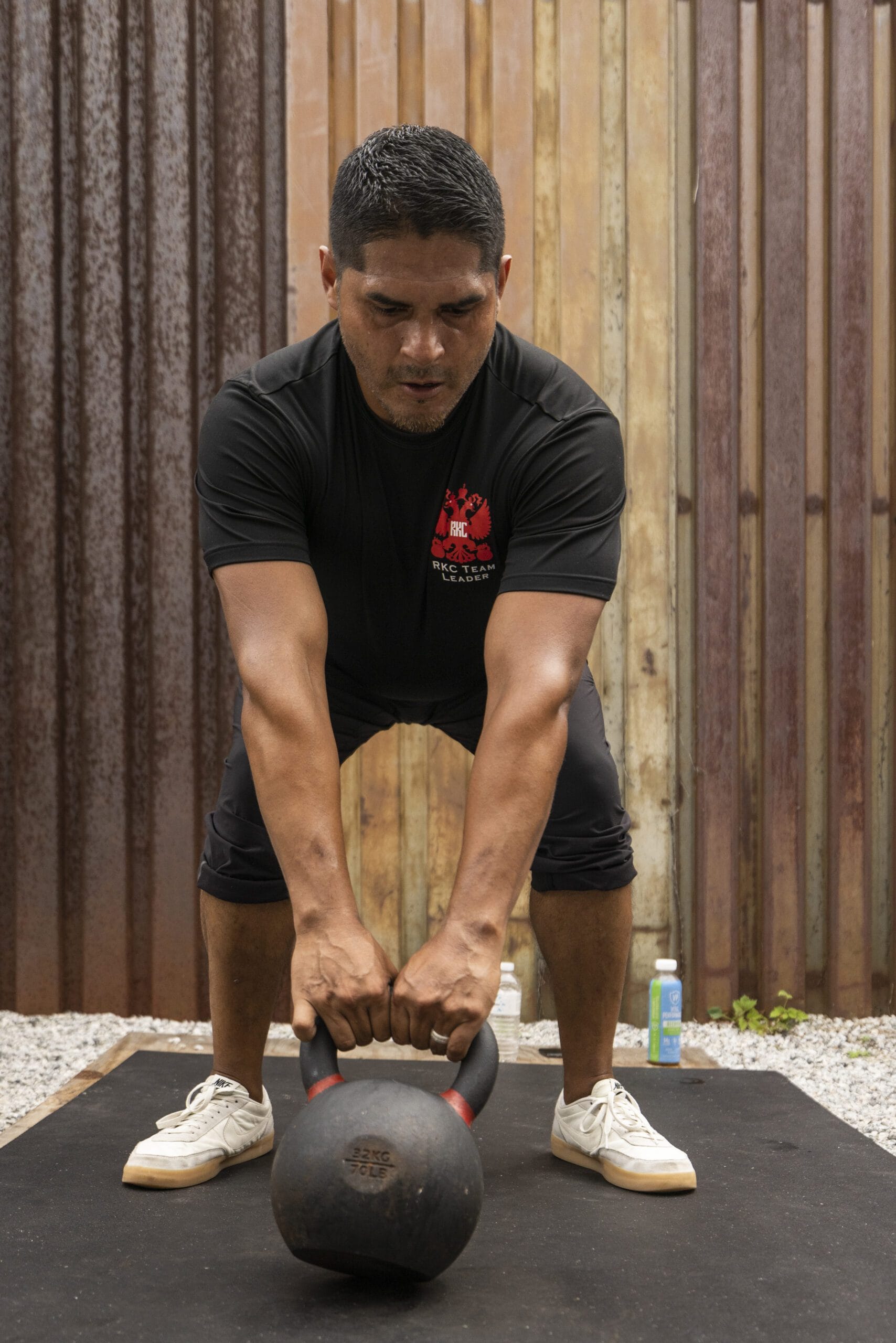
Strength training for sport. A meta-analysis of controlled trials found that adding a strength training program improved running economy by 2 to 8 percent in trained runners. The same principle applies across sports: stronger athletes are faster, more resilient, and less injury-prone. Marcus Tavares holds USAW and Gym Jones Advanced S&C certifications and brings an old-school strength and conditioning approach to athletic clients. Kate Edwards combines her CFSC certification with a background as a competitive athlete and dancer, building programs around the specific movement demands of each client's sport. Whether you need posterior chain power for running, rotational strength for tennis, or explosive endurance for cycling, the programming is built for your sport, not for general fitness.
Cross-training and periodization. Training the same way year-round is how recreational athletes hit plateaus and accumulate injuries. Periodization structures your training in phases: building a base, developing sport-specific endurance and capacity, peaking for competition, and recovering after. Momentum's trainers build cross-training into the off-season and recovery phases. Kettlebell training develops the posterior chain power that runners and cyclists lack. Mobility training addresses the flexibility deficits that accumulate in single-sport athletes. Corrective exercise training identifies and fixes the compensations that develop from repetitive movement patterns. These aren't separate programs. They're built into your training cycle so every phase serves the next.
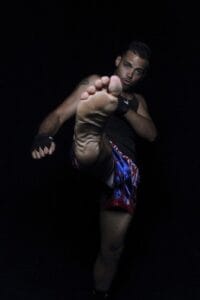
Combat and competitive conditioning. Not all athletic performance is endurance-based. Roderic Rosado brings a decade of experience at elite NYC facilities (Reebok Sports Club, NYAC, Equinox) and USA-Boxing certification to clients who want boxing training, pad work, and the speed and agility training that translates across sports. His sessions scale from competitive fighters to weekend warriors who want the conditioning benefits of combat training without stepping in a ring.
Who This Is For
You're training for a race (5K, 10K, half marathon, or the NYC Marathon) and you want more than a mileage plan. You want a coach who builds the strength and mobility work around your running so you cross the finish line healthy, not just alive.
You're a recreational athlete who plays hard on weekends but doesn't train for it during the week. Basketball, tennis, cycling, swimming, hiking: you love the activity but you're tired of the nagging injuries that come with it. You want to stay in the game without getting hurt.
You used to compete (college sports, competitive running, martial arts) and you want to get back to that level of fitness with a structured program that respects what your body has been through since then.
What Getting Started Looks Like
Your first session is a complimentary consultation and movement assessment. Your personal trainer asks about your sport, your training history, your competition prep schedule if you have one, and the injuries or limitations that have been holding you back. The assessment looks at how you move under the demands your sport places on your body, not just general fitness markers.
From there, your programming is built around your race prep calendar (if applicable), your current fitness base, and the specific gaps between where you are and where you want to perform. For runners, that might mean gait analysis and a structured run coaching plan alongside kettlebell work for posterior chain strength. For a recreational tennis player, it might mean rotational power development and shoulder stability. The program fits the athlete.
Momentum is on Columbus Avenue, one block from the 72nd Street station and steps from Central Park. Runners and cyclists who already train in the park can add structured gym sessions without going out of their way. No membership fees, no contracts. Buy a personal training package and use it on your schedule. Packages don't expire.
Your Athletic Performance Trainers



Group Classes That Build Athletic Performance
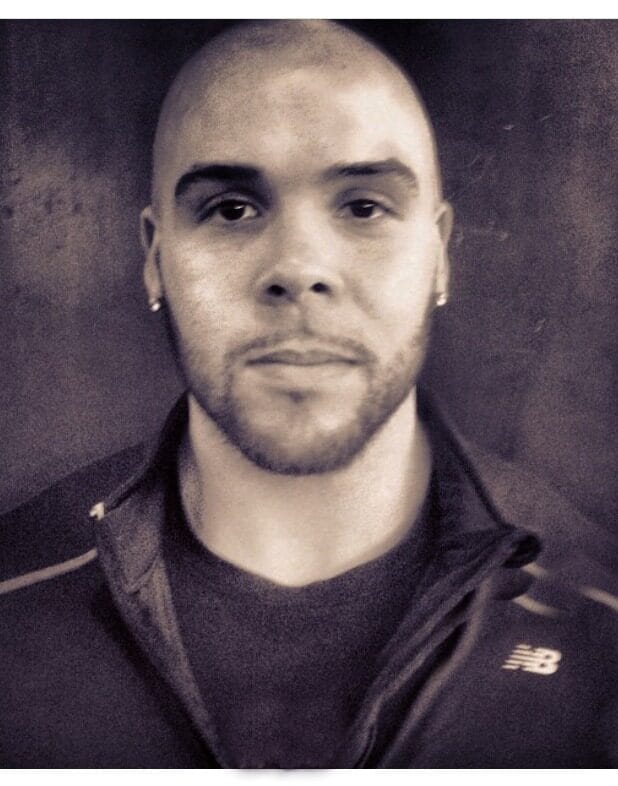
Momentum's strength and conditioning classes complement sport-specific personal training. Classes use dumbbells, kettlebells, bodyweight, sled work, and slam balls in formats that build the explosive endurance and stamina athletes need. Sessions are available mornings and evenings to fit around training schedules.
All classes are capped at 8 to 10 people. No membership required. Buy a class pack and use it for any class on the schedule.
Frequently Asked Questions
Do I need a running coach?
If you're training for a race and your only plan is "run more," a coach will get you to the start line in better shape and with fewer injuries. A running coach structures your mileage, builds in speed work and tempo runs, and identifies the mechanical issues that lead to overuse injuries. If you've been running for years and your times have plateaued or you keep getting hurt, coaching is what breaks that cycle.
Can strength training make me a faster runner?
Yes. Research shows that adding a structured strength program improves running economy by 2 to 8 percent in trained runners. Stronger legs produce more force per stride, which means you cover the same distance with less effort. Kettlebell training is particularly effective for developing the posterior chain (glutes, hamstrings, lower back) that powers efficient running mechanics.
How do I prevent running injuries?
Strength training is the most effective injury prevention tool for runners. A systematic review of over 7,700 athletes found that strength training reduced sports injuries by an average of 66 percent, with the effect being dose-dependent: more strength work meant fewer injuries (British Journal of Sports Medicine, 2018). At Momentum, injury prevention is built into every running client's program through corrective exercise, mobility work, and progressive strength training alongside their run coaching.
What is cross-training and why does it matter?
Cross-training is structured exercise outside your primary sport that builds the fitness qualities your sport doesn't develop on its own. For runners, that means strength training for power and injury resilience. For tennis players, it means rotational conditioning and shoulder stability. For cyclists, it means hip mobility and core strength. Cross-training prevents the overuse injuries that come from repetitive single-sport training and fills the gaps that make you a better, more durable athlete.
How do I avoid injury as a recreational athlete?
Train for your sport during the week instead of only playing it on weekends. Most recreational athlete injuries come from the mismatch between activity intensity and preparation. Your body can't handle weekend basketball if the rest of your week is sedentary. A personal trainer who understands sport-specific demands can build a program that keeps you conditioned for what you're actually doing, so your body is ready when game day comes.
How do I train for a marathon as a beginner?
Start with a structured plan that builds mileage gradually and includes strength training from day one. Most first-time marathon injuries happen because runners increase mileage too quickly without the muscular support to handle it. Among first-time NYC Marathon runners, nearly half sustain injuries during training, and self-directed strength programs don't significantly reduce them. A running coach builds your long runs, speed work, and tempo sessions into a periodized plan while a strength program develops the leg and core strength that keeps you healthy as you work toward your first personal record. At Momentum, Jen Ares-Cruz builds exactly this combination for first-time marathoners.
How much does a running coach cost in NYC?
Running coaching rates vary widely in NYC. At Momentum, running coaching is built into your personal training sessions rather than charged as a separate service. Your trainer develops your run plan, strength program, and gait corrections within the same session structure. Check the pricing page for current personal training package rates.
What is gait analysis?
Gait analysis is an assessment of how you run: your stride length, foot strike pattern, cadence, and the compensations your body makes under fatigue. At Momentum, gait analysis is part of the running coaching process. Your trainer watches you move, identifies the mechanical patterns that lead to pain or inefficiency, and builds corrections into your training. Research shows gait retraining can reduce running injuries by 62 percent over a one-year follow-up.
What is the best cross-training for runners?
The best cross-training for runners combines strength training, mobility work, and corrective exercise. Strength training improves running economy and reduces injury risk. Mobility work addresses the hip and ankle stiffness that accumulates from repetitive running mechanics. Corrective exercise fixes the compensations that develop over years of single-sport training. At Momentum, cross-training is built into your running program through periodization, not treated as a separate workout.
Do you offer youth sports training?
Momentum doesn't run a formal youth program, but young athletes can and do train here through one-on-one personal training. Structured strength and conditioning builds the foundation that keeps a young athlete performing and injury-free as their sport gets more competitive, and a dedicated trainer scales the programming to age, sport, and season.